
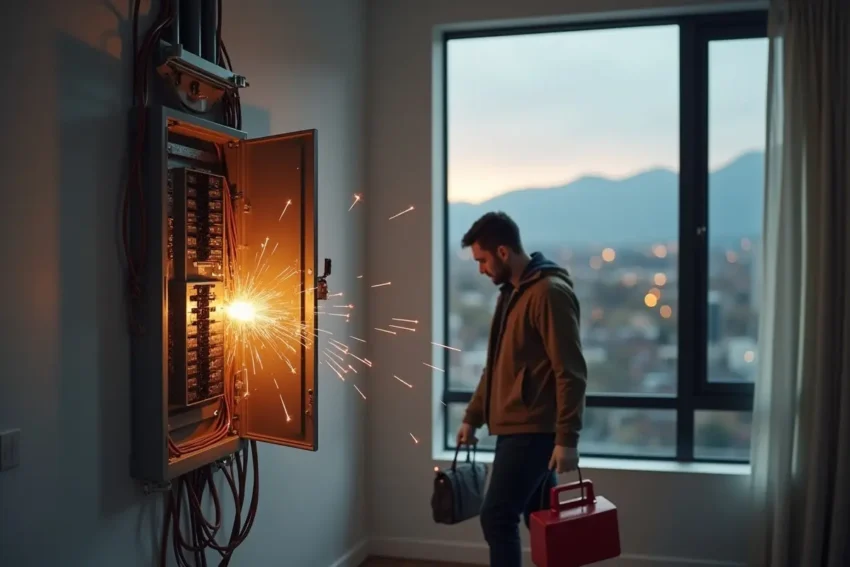
Living in Denver, CO, means experiencing a unique blend of urban energy and unpredictable weather patterns. From summer lightning storms to winter blizzards, local homes are regularly challenged by a variety of electrical hazards. Understanding how to respond to these emergencies is crucial for protecting your family and property, especially when fast action is required. If you ever find yourself facing immediate electrical dangers, an emergency electrician in Denver, CO can make all the difference in quickly restoring safety.
Electrical emergencies are not just theoretical risks in Denver. Factors like older wiring in historic neighborhoods or downed power lines during storms can turn everyday moments into potential crises. By equipping yourself with practical knowledge, preparing for the unexpected, and knowing when to seek professional help, you can take proactive steps to minimize harm and keep your home secure.
This guide explores the most relevant electrical emergencies for Denver residents, from recognizing hazards to taking fast, correct action. Whether you’re preparing for the power outages that sometimes follow heavy snowfalls or handling the aftermath of a sudden outage, you will find actionable steps here.
Electrical safety is a shared responsibility. By staying informed and ready, you contribute to your neighborhood’s well-being and ensure you’re not caught off guard by Denver’s ever-changing conditions.
Recognizing Electrical Emergencies
Denver’s homes range from century-old Victorians to new construction, making the detection of electrical problems vital for everyone. Warning signs include:
- Lights that flicker or appear unusually dim, particularly during storms or high winds.
- Frequent circuit breaker trips may indicate overloaded or outdated wiring.
- Burning smells or unusual heat near outlets or appliances.
- Buzzing, popping, or crackling noises from behind walls or inside breaker panels.
- Discolored or warm wall outlets may signal an impending fire risk.
Whether you live in Capitol Hill or Green Valley Ranch, these issues should be addressed immediately to prevent escalation and greater damage.
Responding to Electrical Fires
If an electrical fire breaks out in your Denver home, the right actions can prevent catastrophe:
- Never use water to extinguish electrical fires. Water can conduct electricity and cause serious injury. Reach for a Class C fire extinguisher if you have one.
- Cut off the power supply. If safe, go to your main breaker panel and shut off the power to stop the flow of electricity.
- Evacuate and call emergency services. If the fire cannot be quickly contained, evacuate everyone and contact 911.
Quick, decisive action is key to minimizing damage in these situations. For further advice, read the CBS Los Angeles guide for handling electrical emergencies.
Handling Electric Shocks
If someone experiences an electric shock in your home:
- Do not touch the person while they are in contact with the source. Use a dry, non-conductive object such as a wooden broom handle to separate them.
- Call 911 immediately. Even minor shocks can cause unseen internal damage or cardiac arrest.
- Assess their condition and administer first aid. If they are not breathing or do not have a pulse, begin CPR if trained until help arrives.
Medical assessment is a must, as electrical injuries can be deceptively severe.
Dealing with Downed Power Lines
Severe Colorado windstorms or wet snow often bring down power lines. Denver residents should take these safety steps:
- Stay at least 30 feet away from downed lines. The ground around a live wire can be energized.
- Never touch or move anything that has come in contact with the wire, including vehicles, branches, or fences.
- Report the situation immediately to Xcel Energy (Denver’s primary provider) and local police or fire departments.
Find thorough tips on power line safety in the CBS Los Angeles guide to handling electrical emergencies.
Managing Power Outages
Outages in Denver are often caused by snow, ice, or wind, affecting neighborhoods from Lakewood to Park Hill. Be prepared by:
- Assembling an emergency kit: Stock batteries, portable chargers, flashlights, and three days’ supply of non-perishable food and water.
- Operating generators outdoors only: Prevent carbon monoxide buildup by keeping generators away from windows, garage doors, or vents.
- Keep refrigerator doors closed to preserve food. A full freezer stays cold for approximately 48 hours even without power.
For additional outage preparation strategies, see the EPA’s guide on emergencies and indoor air quality.
Preventive Measures
Staying ahead of electrical emergencies is easier with a few consistent habits:
- Regularly check cords for damage and replace frayed or split ones right away.
- Don’t overload outlets. Plug only one high-draw appliance (like a space heater) into each outlet.
- Install and test smoke detectors monthly. These are especially important in older Denver homes prone to hidden wiring faults.
- Schedule professional inspections every few years, especially in properties built before 1980.
Routine attention is essential to prevent emergencies and protect what matters most.
When to Call a Professional
Not every electrical issue is a DIY project. Bring in a licensed electrician for:
- Frequent circuit breaker trips or power surges
- Repairing damage after a fire or significant shock
- Installation of new appliances, outlets, or wiring upgrades
- Persistent or unexplained outages
This ensures repairs meet Denver and Colorado safety codes, and keep your home safe for the long run. Local electricians are familiar with city requirements and the special challenges faced by Denver-area homes. For further energy safety information in Colorado, review this Denver7 article.
Staying vigilant, taking prompt action, and relying on Denver’s skilled professionals can collectively make a major difference in your home’s safety. Local knowledge and preparedness are your best lines of defense against the challenges of electrical emergencies in the Mile High City.