
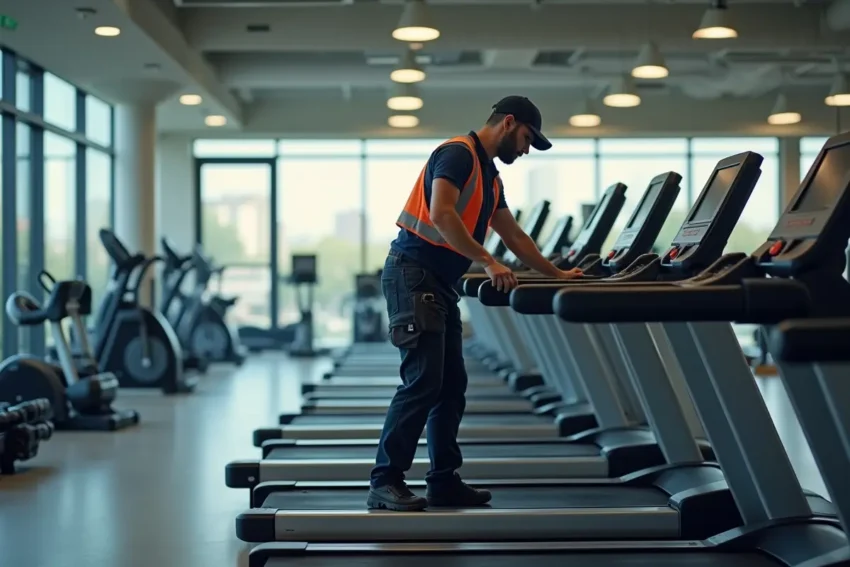
Reducing equipment downtime is vital for the success of any fitness center. Every moment a treadmill or elliptical is out of order can impact member satisfaction and your facility’s reputation. To help ensure your gym members can always access well-functioning equipment, it is essential to adopt a proactive, systematic maintenance approach. For example, facilities in urban areas, such as those in need of treadmill repair in Milwaukee, WI, often face competitive pressures to deliver excellent member experiences and minimize operational disruptions due to broken equipment.
Fitness centers can no longer rely solely on reactive repairs. Facility managers should focus on routine inspections, leveraging technology, and supplier relationships to enhance equipment performance and safety. As fitness equipment becomes increasingly sophisticated, taking a deliberate approach to maintenance reduces both costs and liability. By decreasing unplanned downtime, clubs will not only improve member retention but also sustain long-term business growth.
Importance of Regular Maintenance
Regular maintenance forms the foundation of reliable fitness equipment. According to the International Health, Racquet & Sportsclub Association (IHRSA), clubs that adhere to a scheduled maintenance program experience significantly fewer equipment failures and higher member satisfaction. Ignoring regular servicing often leads to larger, unplanned breakdowns that are not only expensive but may also drive members to seek other gyms due to frustration with facility downtimes.
By prioritizing routine inspections and maintenance, gyms extend the lifespan of their machines and reduce the frequency of emergency repairs. Consistently well-maintained equipment is safer for users, reducing the risk of injury and potential liability for gym owners.
Implementing Preventive Maintenance Programs
Preventive maintenance programs are essential for identifying and resolving minor issues before they escalate. A typical preventive plan should include:
- Cleaning and lubricating weight stacks, belts, and moving parts on a weekly or monthly basis
- Inspecting machines for visible wear, cracks, or loose parts
- Changing filters and checking electronics periodically
- Proactively replacing worn or damaged components to avoid full breakdowns
Embracing preventive maintenance can cut unexpected equipment downtime by as much as 73 percent, according to Life Fitness. This proactive approach helps fitness centers lower repair bills and reduce any gaps in the facility’s programming or availability.
Leveraging Technology for Predictive Maintenance
The evolution of fitness equipment means many machines now come with sensors, tracking technology, and integrated diagnostics. Predictive maintenance leverages these innovations by analyzing data such as vibration reports, usage rates, and temperature changes. This allows managers to forecast likely points of failure and schedule service work before issues disrupt members’ workouts.
Life Fitness commercial data demonstrates that predictive maintenance reduces downtime by 73 percent and lowers total costs by 25 to 40 percent within 18 months. Implementing these tools not only saves money but also ensures members encounter fewer pieces of out-of-service equipment during their visits.
Training Staff for Early Detection
Frontline staff are often the first to notice slight changes in noise, movement, or warning messages from fitness equipment. Managers should invest in regular training so that employees can:
- Identify and act on unusual noises or movements right away
- Interpret error codes and understand basic troubleshooting steps
- Report problems clearly and promptly to maintenance personnel or vendors
Early detection greatly reduces the risk and cost of major repairs while ensuring that equipment remains safe and operational for members. Staff awareness and rapid communication can be the difference between a quick fix and an extended outage.
Establishing Relationships with Reliable Suppliers
Reliable supplier relationships play a pivotal role in reducing repair times and securing priority access to replacement parts. Gyms that partner closely with their equipment vendors often benefit from faster response times, lower costs, and guidance on the latest maintenance practices. Building these alliances also helps with warranty claims and technical support, further minimizing equipment downtime.
Monitoring and Analyzing Equipment Performance
Using maintenance management software, gyms can schedule routine servicing, log repair histories, and analyze performance data to spot emerging trends. Over time, this data-driven approach helps managers identify which units or brands require more frequent repair and which maintenance tactics yield the best results. Facilities that leverage software tools for asset management can proactively schedule upgrades or retire aging machines before they impact the member experience.
Conclusion
Addressing equipment downtime in fitness centers requires a balanced and planned approach. By prioritizing regular and preventive maintenance, leveraging predictive technology, training frontline staff, fostering strong supplier relationships, and closely monitoring performance data, facility owners can create a seamless workout environment. These practical measures not only increase customer satisfaction but also support business health in a competitive marketplace.