
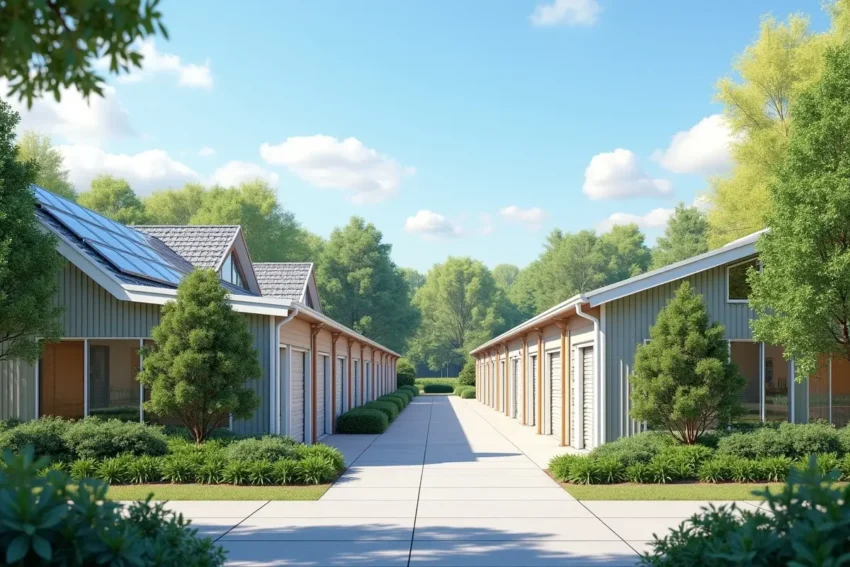
As environmental awareness grows, industries worldwide are reevaluating their impacts and implementing strategies to reduce their ecological footprints. The self-storage sector is increasingly part of this positive change, striving to operate more sustainably and offering consumers better options. Facilities that put sustainability at the forefront not only help the planet but can also lower costs and foster healthier communities. Discover how the industry is evolving and how you can make more environmentally responsible choices with a modern, eco friendly storage facility.
The push for greener self-storage involves adopting innovative building designs, using earth-friendly construction materials, and investing in renewable energy solutions. Moreover, consumers are more mindful today, preferring storage providers that reflect their eco-conscious values. From biodegradable packing materials to tech-driven controls, both providers and users are paving the way for a more sustainable future.
Eco-Friendly Facility Designs
Modern self-storage facilities are prioritizing green building design as a practical way to lessen environmental impact. These structures often feature advanced insulation, reflective roofing, and windows or skylights to maximize natural light. Such enhancements not only decrease overall energy consumption but also help maintain balanced environmental conditions, which can be crucial for the longevity and safety of stored items. Many new facilities are constructed with a compact footprint, emphasizing efficient land use and minimal environmental disruption. Additionally, some companies invest in landscaping that incorporates native plants, thereby reducing water consumption and supporting local biodiversity.
Use of Sustainable Materials
The adoption of sustainable materials is vital for eco-friendly self-storage construction. Many industry leaders now opt for recycled steel rather than newly manufactured metal in construction, significantly reducing carbon emissions associated with steel production. Reclaimed wood, often sourced from preexisting structures, helps further reduce waste and demand for fresh lumber.
Non-toxic paints and sealants are also a hallmark of sustainable storage design. These products not only help improve indoor air quality for visitors and workers but also reduce the risk of toxic substances entering groundwater systems. The result is a storage facility that supports healthier environments both inside its walls and in the broader community.
Energy Efficiency and Renewable Energy
Energy use is one of the highest operational costs and a major environmental concern for storage facilities. Innovations such as LED lighting, motion-activated sensors, and programmable thermostats allow operators to dramatically reduce electricity waste. These upgrades are often paired with advanced HVAC systems that maintain precise temperature and humidity levels for climate-controlled units, using much less energy than traditional equipment.
Solar panels are becoming a more common sight atop storage centers, supplying clean, renewable power that offsets reliance on fossil fuels. Some facilities even participate in utility grid initiatives, selling back excess energy to the grid. According to The Washington Post, these green energy investments can pay off quickly while providing long-term cost stability.
Consumer Choices for Greener Storage
Individuals play a vital role in promoting sustainability within the self-storage ecosystem. By seeking out businesses with strong environmental practices, consumers signal a preference for more responsible storage options. Customers can ask about facility certifications, such as LEED (Leadership in Energy and Environmental Design) or Energy Star, which indicate a company’s commitment to sustainability.
Beyond choosing the right provider, people can make a difference by opting for biodegradable or recycled packing supplies and using reusable storage bins instead of disposable cardboard boxes. These small changes, when multiplied across thousands of customers, can result in a significant reduction in landfill waste and resource consumption.
Future Trends in Sustainable Self-Storage
The next wave of sustainability in self-storage hinges on creative reuse and technology. Facilities are increasingly repurposing decommissioned shipping containers, reducing construction costs, diverting waste from landfills, and offering greater flexibility for customers.
Technology is another driving force for sustainability. Smart sensors powered by the Internet of Things (IoT) now monitor air quality, temperature, and humidity in real time, optimizing energy use and improving security. Some even connect to facility management systems, providing remote control and seamless integration with renewable power sources. As these advances take hold, both consumers and providers gain new tools to monitor and minimize their ecological impact.
Final Thoughts
As the industry evolves quickly, opportunities for deeper sustainability continue to grow. Eco-friendly facility designs, use of innovative building materials, energy conservation strategies, and thoughtful consumer choices all contribute to a greener pathway for self-storage. Together, they set the stage for an industry that not only meets today’s storage needs but also helps build a healthier, more responsible tomorrow.