
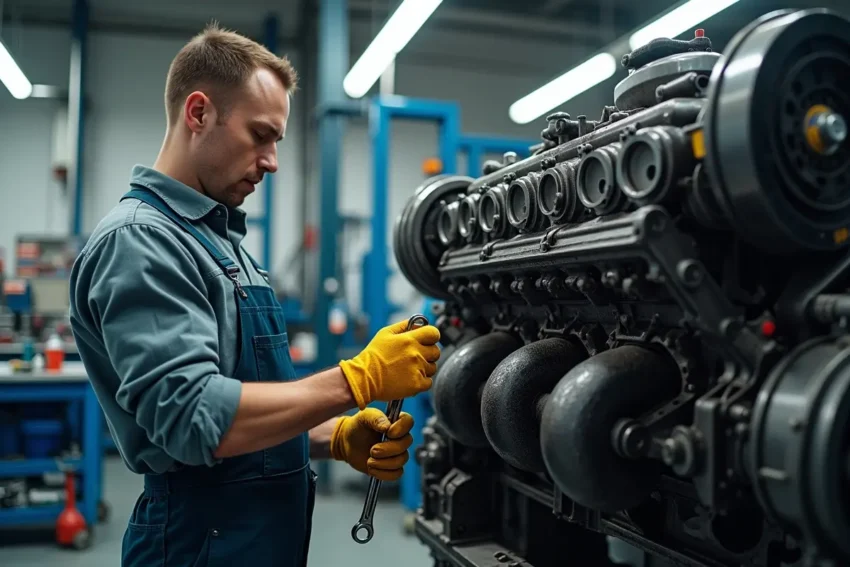
Maintaining a diesel engine requires consistent attention to detail. Whether you operate heavy-duty equipment or rely on a diesel vehicle for daily use, regular upkeep not only extends the engine’s lifespan but also ensures optimal performance and fuel efficiency. For example, if you own a Cummins 6.7 engine, adhering to maintenance best practices can help prevent costly repairs and keep your vehicle running smoothly for the long haul.
Efficient upkeep will safeguard your investment and enhance reliability when you need it most. Proper diesel engine maintenance is not only about following set routines. It’s also about addressing problems proactively before they develop into major issues. By understanding the unique needs of these engines, owners and operators can ensure strong performance, reduced emissions, and greater safety.
In the sections below, you’ll find a detailed guide to essential diesel engine maintenance practices, from oil changes and fuel system care to monitoring exhaust and scheduling professional check-ups. Following these guidelines helps you avoid unexpected breakdowns and maintain peak efficiency over the years. By making engine care a regular priority, you can not only improve your vehicle’s performance but also support better fuel economy, contributing to lower overall operating costs.
Regular Oil and Filter Changes
Oil lubricates the engine’s moving parts, reducing friction and preventing wear. Diesel engines, in particular, generate more soot and contaminants than gasoline engines, causing oil to degrade faster. It’s essential to change the oil and oil filter according to the manufacturer’s recommendations, typically every 5,000 to 10,000 miles, depending on engine workload and environmental conditions.
Using high-quality, diesel-graded motor oil helps protect internal engine parts from excessive wear. Neglecting timely oil changes leads to sludge buildup, which can block oil passages and increase the risk of engine failure.
Fuel System Maintenance
A clean fuel system is vital for efficient combustion and consistent engine performance. Diesel fuel systems can be more susceptible to contamination from water, dirt, and microbial growth than their gasoline counterparts. You should replace fuel filters as recommended, usually every 15,000 to 20,000 miles, to keep fuel flowing efficiently.
Additionally, regularly drain the water separator to prevent corrosion, and inject a high-quality fuel additive every 5,000 miles to reduce deposits and maintain peak system performance. These steps help prevent clogged fuel injectors and minimize combustion inefficiencies.
Cooling System Care
The cooling system is crucial for preventing engine overheating. High operating temperatures can damage crucial engine components and shorten engine life. Check coolant levels frequently and always use the correct coolant mixture, usually a 50/50 blend of antifreeze and water. It’s advisable to flush the cooling system periodically to remove mineral buildup and prevent radiator blockages.
Inspect hoses and belts for wear, cracks, or soft spots, and replace them if needed. Consistent cooling system maintenance keeps engine temperatures within safe limits and reduces the risk of critical failures.
Air Filter Inspection and Replacement
Clean air helps ensure complete combustion and reliable power output. Diesel engines require unrestricted airflow to function properly, but dust and debris can clog the air filter over time, choking performance and increasing fuel consumption. Inspect air filters regularly, especially if you drive in dusty environments. Clean or replace filters at intervals recommended by your engine manufacturer. Avoiding unnecessary exposure to airborne debris prolongs filter life and maintains optimal engine performance.
Monitoring Exhaust Emissions
Unusual exhaust emissions are often an early warning of internal problems. For example, excessive black smoke indicates incomplete combustion, while blue smoke often indicates oil being burned in the cylinders. Regularly observe your diesel engine’s exhaust for any color changes or unusual smells. Addressing these symptoms quickly can prevent more severe issues and ensure your engine remains compliant with emissions regulations.
Regular Inspection of Belts and Hoses
Belts drive essential accessories, such as the alternator and cooling fan, while hoses transport vital fluids. Over time, both can degrade, becoming brittle, cracked, or loose. Regular checks for visible wear, slackness, or leaks allow you to replace faulty belts or hoses before they lead to more expensive breakdowns or safety issues. Preventive inspections reduce the risk of being stranded due to avoidable engine problems.
Battery Maintenance
Battery health is fundamental for reliable starts and proper function of electrical systems, especially in cold conditions that are tough on diesel engines. Inspect the battery terminals for corrosion, ensure the battery is securely mounted, and test its charge periodically. Replace a weak or aging battery to avoid sudden starting failures and maintain optimum power supply to all engine components.
Professional Engine Check-Ups
Even with diligent self-inspection, professional expertise is vital for overall health. Schedule periodic checkups with certified diesel mechanics who have the tools and experience necessary to perform comprehensive diagnostics. These check-ups can reveal problems that might not be immediately visible and help ensure every component runs efficiently and reliably for years to come.
Consistent preventive maintenance not only protects your diesel engine from premature wear but also maximizes performance, fuel economy, and safety. By following these tips, you lay the foundation for dependable operation and fewer, more affordable repairs down the road.
Conclusion
Proper diesel engine maintenance is the key to long-term performance, reliability, and cost efficiency. By staying consistent with essential practices, such as regular oil changes, fuel system care, cooling system upkeep, and routine inspections, you can prevent minor issues from escalating into major repairs.
Paying attention to early warning signs, such as unusual emissions and worn components, further strengthens your maintenance strategy. Ultimately, a proactive approach not only extends your engine’s life but also ensures safer operation, improved fuel economy, and dependable performance for years to come.