
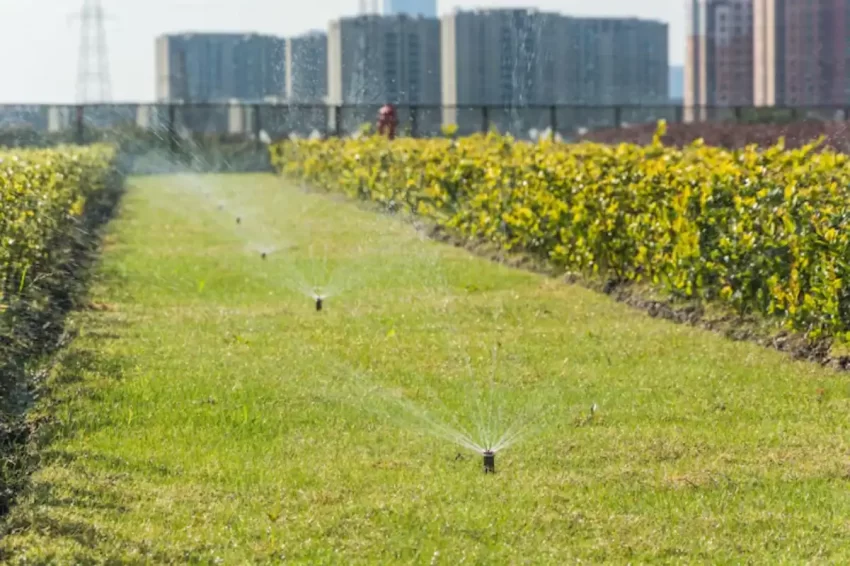
You step outside, look at your lawn, and something feels wrong. The grass is turning brown. Yellow patches are spreading across areas that looked fine last week. The lawn looks dry — but you’ve been watering it regularly.
So you do what makes sense: you water it more.
But what if watering more is actually making things worse?
Most homeowners assume brown or yellow grass means one thing — not enough water. It’s the most natural conclusion. But here’s what many people don’t realize: lawn diseases look almost exactly like drought stress. The same brown color. The same tired, worn-out appearance. And because it looks like a watering problem, it gets treated like one.
That’s where the real damage begins.
When a lawn is dealing with a fungal disease, adding more water doesn’t help — it feeds the problem. Fungi thrive in warm, humid, and overly wet conditions. The more moisture you add to an already diseased lawn, the faster it can spread.
This is something lawn care professionals at Advanced Turf Care see all the time — homeowners treating disease damage as drought stress, week after week, watching their lawn get worse and not understanding why.
The truth is simple: not every brown lawn is thirsty.
This article will help you tell the difference — before the wrong treatment turns a small problem into a big one.
Why Lawn Diseases Are Commonly Misdiagnosed
Lawn disease rarely announces itself. It doesn’t show up overnight with obvious signs. Instead, it starts small — a slightly off-color patch here, a thinning strip there. Easy to miss. Easy to explain away.
That’s exactly why it gets misdiagnosed so often.
It looks like something else.
Lawn diseases are tricky because their symptoms match many other common problems:
- Drought stress — brown, dry-looking grass
- Heat stress — wilting or discolored turf during hot spells
- Nutrient deficiency — yellowing that looks like the lawn needs feeding
- Pet damage — irregular dead patches that seem random
To an untrained eye, these all look similar. Without knowing what to look for, it’s almost impossible to tell them apart just by looking.
It spreads slowly — at first.
Fungal diseases don’t take over a lawn overnight. They creep. A small patch grows a little wider each day. Because the change is gradual, many homeowners don’t notice a real problem until it has already spread significantly.
Stressed lawns get sick more easily.
A lawn that’s already struggling — from heat, drought, heavy foot traffic, or poor soil — has a weakened defense. Disease finds it much easier to take hold in turf that’s already under pressure. Think of it like a person getting sick when they’re already run down.
And then comes the wrong fix.
When homeowners spot discoloration, the instinct is to water more or add fertilizer. Both feel helpful. But with fungal disease, extra moisture feeds the fungus, and excess nitrogen can actually accelerate certain infections — turning a manageable problem into serious lawn damage.
The misdiagnosis isn’t the homeowner’s fault. The signs are genuinely confusing. But understanding why it happens is the first step to catching it correctly.
What Causes Lawn Disease in the First Place?
Lawn disease doesn’t just appear out of nowhere. It develops when the right conditions build up over time. Understanding those conditions helps you see why your lawn became vulnerable in the first place.
Too Much Moisture
Water is essential for a healthy lawn — but too much of it creates the perfect environment for fungus. Overwatering, poor drainage, and extended periods of rainfall all keep the soil and grass blades wet for too long. Fungi love that.
Warm, Humid Weather
Heat and humidity together are a fungal disease’s best friend. When temperatures are high and the air feels heavy and damp, fungal spores spread much more easily across your lawn.
Poor Air Circulation
When air can’t move freely through your lawn, moisture gets trapped. Three common causes:
- Thick thatch — a dense layer of dead grass built up at the soil surface
- Compacted soil — hard, packed earth that blocks airflow and water movement
- Dense shade — areas under heavy tree cover stay damp and poorly ventilated
Lawn Care Habits Done Wrong
Some everyday lawn care mistakes quietly increase disease risk:
- Mowing too short weakens the grass and puts it under stress
- Watering at night leaves blades wet all night — prime fungal conditions
- Over-applying fertilizer pushes fast, weak growth that’s more infection-prone
Weak or Stressed Turf
A lawn already dealing with drought stress, poor soil, or heavy foot traffic has a lowered ability to fight off infection. Stressed grass is simply more vulnerable.
The Key Point
No single factor usually causes lawn disease on its own. It’s the combination — a stressed lawn sitting in humid, wet conditions with poor airflow — that opens the door. Fix one piece of that puzzle, and you make your lawn significantly harder to infect.
Common Lawn Diseases Often Mistaken for Watering Problems
Here are the most common lawn diseases that homeowners regularly confuse with watering issues — and how to spot each one.
Brown Patch
Brown patch shows up as circular areas of brown, dead-looking grass. It spreads outward from a central point and tends to appear during hot, humid stretches of summer.
The confusing part? The soil underneath can be perfectly moist. The grass looks dry, but water isn’t the problem — fungus is.
Common misdiagnosis: The lawn needs more water.
Reality: Adding water feeds the disease and makes it worse.
Dollar Spot
Dollar spot creates small, straw-colored patches roughly the size of a silver dollar. It’s most common in lawns that are low on nutrients and spreads quickly when humidity is high.
Because the spots are small and scattered, they’re easy to confuse with random dry patches or uneven mowing.
Common misdiagnosis: Drought stress or mower damage.
Reality: The lawn is underfed, not underwatered.
Red Thread
Red thread is one of the easier diseases to identify once you know what to look for — pink or reddish thread-like strands growing on grass blades. It usually affects lawns that aren’t getting enough nutrients.
However, because the color change looks vague and gradual, most homeowners write it off as seasonal change.
Common misdiagnosis: Normal seasonal discoloration.
Reality: The lawn has a fungal infection that needs attention, not just time.
Snow Mold
Snow mold appears in early spring as the snow melts. You’ll notice matted, flattened patches of grass — sometimes with gray or pink fuzzy growth on the surface.
Since it shows up right after winter, it’s easy to assume the grass simply didn’t survive the cold.
Common misdiagnosis: Winter kill or permanently dead grass.
Reality: Snow mold is a fungal disease that formed under the snow and can be treated.
Root Rot and Pythium Problems
This one is particularly tricky. The grass looks weak, thin, and stressed — almost like it’s drying out. But the soil is actually wet and soggy. Pythium and root rot thrive in waterlogged conditions and can cause a lawn to collapse rapidly during humid weather.
Because the grass looks dry on top, homeowners keep watering — which is the exact opposite of what’s needed.
Common misdiagnosis: The lawn looks dry, so watering continues.
Reality: Excess moisture is the cause, not the cure.
The Pattern to Remember
Each of these diseases looks like a watering problem on the surface. The key difference is that watering doesn’t fix them — and often makes them significantly worse. If your lawn isn’t responding to water the way it should, disease is worth considering.
Signs Your Lawn Problem May Be Disease-Related
Not sure if your lawn has a disease or just needs water? These signs can help you figure it out before you reach for the hose.
The patches are circular or slowly expanding
Drought stress tends to affect large, uneven areas. Disease is different — it often spreads outward from a central point, creating circular or ring-shaped patches that gradually get bigger. If your dead or brown areas have a noticeable shape or pattern, that’s a clue.
The lawn looks worse after watering
This is one of the clearest warning signs. If you water your lawn and the affected areas look the same or worse a day or two later, water isn’t solving the problem — it may be fueling it.
Grass is discolored but the soil is moist
Dig your finger an inch into the soil near the problem area. If the ground feels damp but the grass still looks stressed, dry, or dying — the issue isn’t water. A thirsty lawn recovers quickly after watering. A diseased one doesn’t.
You can see fuzzy, powdery, or colored growth on the blades
Healthy grass doesn’t have pink threads, white powder, or gray fuzz on it. If you get close and notice any unusual coating or growth on individual blades, that’s fungal activity you can actually see.
It’s spreading faster than expected
Drought stress moves slowly and usually follows sun exposure or soil patterns. Disease can spread surprisingly fast — sometimes doubling in size within days — especially in humid or wet conditions.
Thinning grass in shaded or low-lying areas
If the worst spots in your lawn are under trees or in areas where water tends to collect, that’s not a coincidence. Poor drainage and low airflow create exactly the environment where fungal disease takes hold.
The Bottom Line
When drought stress is the problem, water fixes it. When disease is the problem, water often doesn’t — and patterns, spread speed, and visible growth tell the real story. If two or more of these signs match what you’re seeing, disease is worth investigating before you water again.
Lawn Care Habits That Secretly Increase Disease Risk
Here’s something most homeowners don’t expect: many lawn diseases start because of regular lawn care — just done in a way that quietly invites trouble.
These aren’t neglect problems. They’re common habits that seem perfectly reasonable but create the exact conditions fungus needs to grow.
Watering too frequently
Watering every day — even in small amounts — keeps the soil surface constantly damp. Fungus doesn’t need deep water. It just needs consistent surface moisture to spread. Watering less often but more deeply is far healthier for your lawn.
Watering at night
When you water in the evening, the grass blades stay wet through the entire night. There’s no sun to dry them out. That long stretch of overnight moisture is one of the most common triggers for fungal growth. Water in the early morning instead — the sun dries the blades quickly.
Mowing too short
Cutting grass too low puts the turf under serious stress. Stressed grass has a weaker defense system and becomes much easier for disease to attack. Stick to the recommended mowing height for your grass type and never cut more than one-third of the blade at a time.
Overfertilizing
More fertilizer doesn’t always mean a healthier lawn. Too much nitrogen pushes fast, lush growth — but that soft, rapidly growing grass is actually more vulnerable to certain fungal diseases like brown patch. Feed your lawn on a proper schedule, not just whenever it looks pale.
Ignoring soil compaction
When soil becomes hard and compacted from foot traffic or heavy use, water can’t drain properly. It sits near the surface, keeps the root zone wet, and suffocates grass roots — weakening the turf and trapping the moisture that fungus thrives in.
Poor drainage
Low spots in your lawn where water collects after rain are high-risk zones for disease. Standing water creates the soggy, humid conditions where fungal problems develop fastest.
The Important Point
None of these habits sound harmful on their own. That’s what makes them easy to overlook. But lawn disease rarely has just one cause — it usually starts when a few of these habits stack up together over time. Small adjustments to how you care for your lawn can make a significant difference in keeping disease away.
How to Prevent Lawn Disease Naturally
The best defense against lawn disease isn’t a treatment — it’s a healthy lawn that’s hard to infect in the first place. These simple habits make a real difference.
Water deeply, but less often
Instead of watering a little every day, water thoroughly two to three times a week. This pushes moisture deeper into the soil, which encourages roots to grow downward — building a stronger, more drought-resistant lawn. Deep roots mean a tougher, more disease-resistant turf overall.
Improve airflow and drainage
Trim back overgrown shrubs or tree branches near your lawn to let air move freely. Fill in low spots where water pools after rain. The goal is simple: reduce the areas where moisture sits and lingers.
Mow at the right height
Taller grass shades its own roots, retains moisture better, and handles stress more effectively. Cutting too short weakens the entire plant. Know the recommended height for your grass type and stick to it — your lawn will be noticeably more resilient.
Aerate compacted soil
Aerating your lawn — pulling small plugs of soil out — opens up the ground so water, oxygen, and nutrients can reach the roots properly. It also reduces the surface moisture buildup that fungus depends on. Once or twice a year is usually enough.
Fertilize in balance
Feed your lawn what it actually needs — no more. A soil test can tell you exactly what’s missing. Balanced fertilization produces steady, strong grass growth rather than the soft, fast growth that makes turf more disease-prone.
Remove excess thatch
A thin layer of thatch is normal and even helpful. But when it builds up too thick, it traps moisture right at the soil surface and blocks airflow — creating a warm, damp layer where fungal spores love to settle. Dethatch when the layer exceeds half an inch.
The Key Takeaway
None of these steps are complicated. They’re just consistent, balanced lawn care. A lawn that’s properly watered, fed, mowed, and maintained builds natural resistance — making disease much less likely to take hold in the first place.
When Professional Lawn Disease Control Makes Sense
Some lawn diseases respond well to better watering habits and proper mowing. Others don’t. Certain fungal infections spread aggressively — and by the time they’re obvious, they’ve already done significant damage to a large portion of the lawn.
That’s when professional help makes sense.
The right diagnosis changes everything
Not all lawn diseases are treated the same way. What works for brown patch won’t necessarily work for pythium or dollar spot. Applying the wrong treatment wastes time and money — and meanwhile, the disease keeps spreading.
A professional identifies exactly what’s happening before recommending any solution. That accuracy matters.
What professionals actually look at
When a lawn care professional evaluates a disease problem, they look at the full picture:
- Moisture conditions — Is the lawn being over or underwatered?
- Soil health — Is the soil compacted, poorly drained, or nutrient-deficient?
- Grass type — Different grasses have different vulnerabilities
- Disease severity — How far has it spread, and how quickly?
This evaluation leads to a targeted response — not a guess.
Earlier treatment means less damage
A small fungal patch caught early is a manageable problem. That same patch left untreated for two or three weeks can spread across a significant portion of your lawn. Persistent fungal issues may require lawn disease control treatments to stop the infection before it reaches healthy turf.
The longer disease goes untreated, the more expensive and time-consuming the recovery becomes.
Simple Tips to Keep Your Lawn Healthier Year-Round
Keeping your lawn healthy doesn’t require a complicated routine. It requires a consistent one. These simple habits practiced regularly go a long way in keeping disease away.
Don’t overwater
When in doubt, water less — not more. Check the soil before you water. If it’s still moist an inch below the surface, the lawn doesn’t need water yet. Overwatering is one of the easiest ways to accidentally invite fungal disease.
Monitor humidity and drainage
After heavy rain, walk your lawn and take note of where water collects or drains slowly. Those spots are your highest-risk areas. Keeping an eye on them — especially during humid stretches — helps you catch problems before they develop.
Keep mower blades sharp
A dull blade tears grass instead of cutting it cleanly. Torn grass blades heal slowly and create small open wounds that make infection easier. Sharpen your mower blades at least once per season.
Aerate seasonally
Once or twice a year — typically spring and fall — aerate your lawn to keep soil from becoming compacted. It takes an hour but makes a significant difference in root health, drainage, and overall turf strength.
Watch for early signs of stress
Don’t wait until a problem is obvious. A small discolored patch, an area that looks slightly off, grass that seems slow to recover after mowing — these are early signals worth paying attention to. Catching disease early keeps it manageable.
Stay consistent
The lawns that hold up best year-round aren’t necessarily the ones that receive the most treatment — they’re the ones that receive steady, regular care. A simple routine maintained consistently beats an intensive effort done occasionally.
Conclusion
Brown grass. Yellow patches. A lawn that looks thirsty no matter how much you water it. These are frustrating problems — but as you’ve seen throughout this article, they don’t always mean what they appear to mean.
Not every struggling lawn is lacking water. Many are dealing with something water can’t fix — and in some cases, something that water is actively making worse.
The cost of misreading the problem
When lawn disease gets treated as drought stress, it spreads. What starts as a small patch becomes a large damaged area. What could have been an early, simple fix turns into a lengthy and expensive recovery. Recognizing the real problem early is genuinely one of the most valuable things a homeowner can do for their lawn.
Balanced care beats more water
The answer to most lawn problems isn’t more water, more fertilizer, or more of anything. It’s more balance. Proper mowing height, correct watering timing, healthy soil, good drainage — these basics working together create a lawn that’s naturally harder to damage and easier to maintain.
The practical takeaway
Healthy lawns don’t happen by accident. They’re the result of consistent care, environmental awareness, and catching small problems before they grow into large ones. Pay attention to patterns. Trust what the lawn is showing you. And when something doesn’t improve the way it should — look closer before reaching for the hose.
Your lawn is telling you something. The goal is simply learning how to listen.