
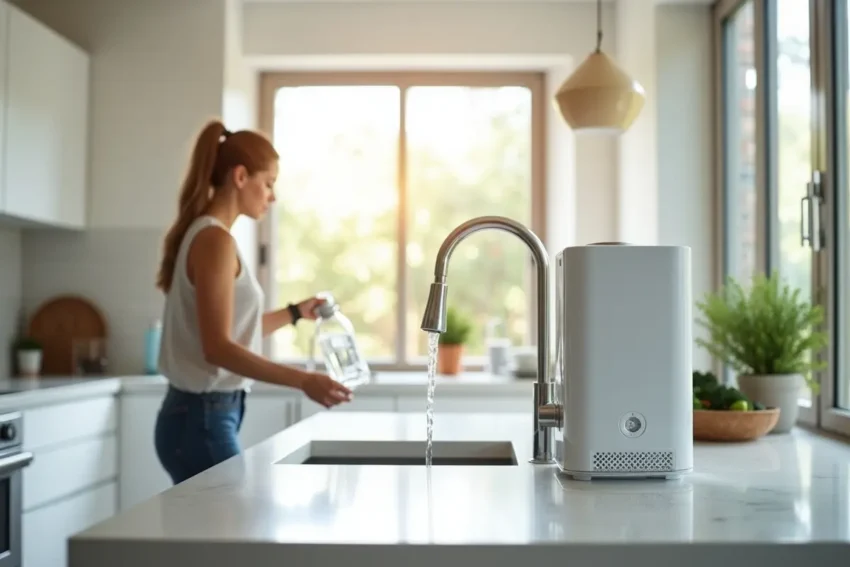
Ensuring access to clean water is fundamental for maintaining a healthy home environment. By taking proactive steps to improve water quality, families not only safeguard their health but also extend the lifespan of their household systems. If you’re looking for professional guidance or installation, finding a water filtration plumber near me can help you implement the right solution for your household’s needs.
Contaminants in drinking water can lead to a variety of health concerns, ranging from minor irritations to serious illnesses. Effective filtration ensures that daily activities such as drinking, cooking, and bathing are free from harmful substances, providing peace of mind for every household member. Moreover, improved water quality can also protect your appliances and piping, reducing maintenance costs over time.
Many homeowners are unaware of the challenges that can arise from contaminated water. By understanding the sources and risks of common water pollutants, you can take steps to address them through targeted filtration methods. Solutions vary widely, and the right choice depends on your specific water quality and household requirements.
Homeowners interested in comprehensive water safety may also benefit from reviewing the Environmental Protection Agency (EPA) ‘s official guidance, which outlines the importance of water quality for public health.
The Importance of Clean Water in Homes
Access to clean water is crucial for daily functions, from drinking and preparing food to bathing and cleaning. Contaminated water can lead to gastrointestinal illnesses or skin irritation. The EPA stresses that water quality is a critical factor for public safety, affecting not only individual health but also the lifespan of household appliances. Water that is free of contaminants not only tastes and smells better but also reduces wear on dishwashers, washing machines, and water heaters.
Common Contaminants in Household Water
Understanding the possible pollutants in your water is the first step toward making it safer. The most common contaminants include:
- Lead: Often present due to corrosion from old plumbing in homes built before modern safety standards.
- Chlorine: Commonly used in municipal water treatment to kill bacteria, but can give the water an unpleasant taste and odor.
- Microorganisms: Bacteria and viruses may enter water supplies, potentially causing illnesses.
- PFAS: Human-made chemicals that have been associated with several health issues when found in water supplies.
Testing your water can help you pinpoint which contaminants are present and which treatment options are most effective.
Types of Water Filtration Systems
Numerous filtration options address different types of water contaminants. Here are four popular choices:
- Activated Carbon Filters: Excellent at improving taste and removing chlorine and certain chemicals.
- Reverse Osmosis Systems: Remove a broad spectrum of contaminants, such as lead, fluoride, and PFAS.
- UV Purifiers: Use ultraviolet light to effectively neutralize bacteria and viruses without adding chemicals.
- Whole-House Filtration Systems: These systems filter all water entering your home, providing comprehensive protection at every tap.
Each method varies in cost, installation, and maintenance requirements. Evaluating these aspects ensures an effective and sustainable choice for your household.
Choosing the Right Filtration System
The best filtration approach depends on factors like water source, contaminant type, household size, and water usage patterns. Begin by conducting a detailed water test using home testing kits or your local water utility. This information allows you to focus on systems engineered to address your specific concerns, whether it is removing sediment, reducing chlorine, or eliminating microbes.
Some filtration systems are better suited for certain contaminants, so tailor your decision to your household’s unique needs. Consulting a professional can further clarify your options and help you find a solution that delivers both short-term improvement and long-term reliability.
Installation and Maintenance Tips
Proper installation is critical for system effectiveness. While some filtration units can be installed by homeowners, more complex or whole-house systems may require professional installation for optimal results. Routine maintenance is just as important. Follow the manufacturer’s instructions for changing filters and inspecting equipment to prevent bacterial growth or reduced efficiency.
Setting reminders for filter changes and periodic system inspections can ensure reliable performance. Regular maintenance of your system also helps you catch small issues before they turn into costly repairs.
Benefits of Implementing Water Filtration
Water filtration delivers numerous advantages for household health and comfort. Key benefits include:
- Health Improvements: Reduces exposure to hazardous contaminants like lead, chlorine, and pathogens.
- Taste and Odor: Removes substances that cause unpleasant flavors or smells.
- Appliance Protection: Prevents mineral scale and sediment buildup, protecting plumbing and appliances from damage.
- Environmental Advantages: Encourages the use of tap water over bottled water, reducing plastic waste and environmental impact.
By addressing your home’s water quality, you can enjoy safer, better-tasting water at every faucet while contributing to a more sustainable environment.
Cost Considerations and Budgeting
The initial investment for water filtration varies, with factors such as system type, installation requirements, and ongoing maintenance influencing total costs. However, filtration systems often result in significant long-term savings by reducing reliance on bottled water and mitigating the need for plumbing repairs caused by unfiltered contaminants.
Including the cost of periodic filter replacements and annual system checks in your household budget ensures uninterrupted access to safe water. The Centers for Disease Control and Prevention also provides a helpful overview of filtration costs and considerations at their home water treatment guide.
Conclusion
Investing in a water filtration system is a practical step toward a healthier, safer home. By recognizing water quality issues, understanding your household’s specific needs, and selecting the appropriate filtration solution, you lay the foundation for better health and convenience. With proper installation and diligent maintenance, your home’s water system will continue to support a clean and sustainable lifestyle for years.