
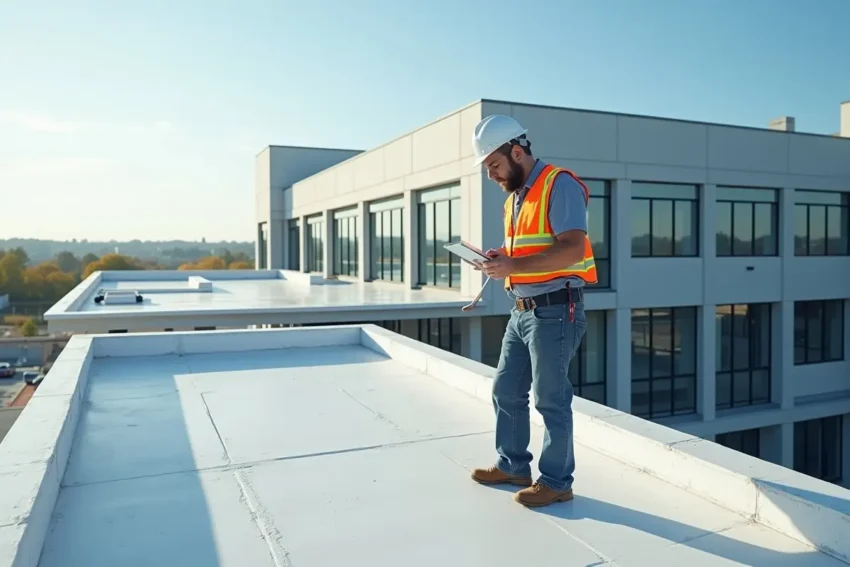
Maintaining the roof of your commercial property is a critical aspect of building management. Proper care not only helps avert emergencies but can also prevent future escalating expenses. Even small issues can quickly escalate into major, costly problems if left unchecked. That is why incorporating regular commercial roof repair and maintenance checkups is essential for preserving your investment and ensuring continuous business operations.
Ignoring signs of roof deterioration or skipping proactive maintenance can shorten your roof’s lifespan. Unattended roofs are more susceptible to leaks, structural damage, and other hazards that can compromise your business’s safety and productivity. By planning carefully and maintaining a disciplined schedule, you can create a safer work environment and reduce the risk of unexpected disruptions.
Commercial property managers and business owners who prioritize roof maintenance typically benefit from reduced repair costs and increased property value. Proactive maintenance is more than just a routine task; it is a forward-thinking investment strategy that promotes financial stability, reduces liability, and supports long-term operational efficiency.
Importance of Proactive Maintenance
Proactive maintenance involves regularly inspecting for damage, cleaning drainage systems, and promptly repairing minor issues. Rather than waiting for a significant issue to occur, staying ahead of potential problems can be highly beneficial. According to the Roofing Alliance for Progress, facilities that commit to routine maintenance programs enjoy an average roof life that’s eight years longer than those that only address issues on demand.
This increased longevity is not just about saving money on replacements; it also ensures your property remains compliant with safety codes and building regulations. Early detection and intervention help you avoid business interruptions, maintain your building’s value, and safeguard both employees and assets.
Common Issues in Commercial Roofs
Commercial roofs are exposed to a variety of challenges. Some of the most prevalent issues include:
- Leaks and Water Damage: These typically result from blocked drains or damaged roof membranes.
- Ponding Water: Standing water that is not quickly drained can degrade roofing materials and even jeopardize structural integrity.
- Membrane Shrinkage: Environmental exposure can cause seams and edges to retract, creating vulnerabilities.
- Punctures and Tears: Technicians, equipment, and debris can lead to punctures or tears in your roofing membrane.
Identifying these issues early helps prevent more severe consequences such as mold growth or compromised structural strength, both of which can lead to costly downtime for repairs or even temporary closures.
Key Components of a Maintenance Plan
A robust commercial roof maintenance plan should be comprehensive and adaptable to varying needs. Essential components include:
- Regular Inspections: Schedule inspections at least twice a year, ideally during spring and fall, and after major weather events.
- Cleaning: Remove debris from gutters, scuppers, and drains to prevent blockages and water retention on the roof surface.
- Minor Repairs: Address small leaks, open seams, blisters, and loose flashing without delay to halt progression of damage.
- Documentation: Maintain comprehensive records of all inspections, cleaning, repairs, and updates. This can aid warranty management and insurance claims.
Consistent documentation and timely action form the backbone of an effective preventive maintenance program, offering clarity and assurance to property managers and tenants.
Benefits of Regular Inspections
Regular roof inspections deliver several critical advantages:
- Early Detection: Spotting signs of wear, damage, or deterioration allows you to address problems before they become emergencies.
- Warranty Compliance: Many manufacturers require documented maintenance to keep warranties valid. Lack of upkeep can risk voiding important coverage.
- Safety Assurance: Detecting and resolving hazards maintains a safe environment for employees, clients, and visitors.
Frequent and thorough inspections support the long-term health and efficiency of your roofing system, protecting both assets and occupants.
Cost Savings Through Preventive Measures
Preventive maintenance is a monetary safeguard. When you consistently invest in minor upkeep, you avoid large-scale repairs or premature replacements, which are often exponentially more expensive than the cumulative cost of regular maintenance.
Additionally, preventing major water intrusions and structural failures protects valuable equipment and minimizes business interruption. Over the lifespan of your roof, these strategies can add up to thousands of dollars in savings, making proactive care one of the most financially wise decisions for building owners.
Choosing the Right Maintenance Partner
The expertise and reliability of your roofing contractor are pivotal to the success of your maintenance plan. When searching for a professional, focus on those with verifiable experience, positive customer reviews, and up-to-date licensing and insurance. The right partner will tailor their maintenance recommendations to your building’s specific needs, provide transparent pricing, and ensure all work complies with industry standards. Establishing a strong working relationship with a trustworthy contractor streamlines communication and guarantees prompt service when issues arise.
Conclusion
Committing to proactive maintenance safeguards your commercial roof, optimizes asset longevity, and limits unplanned expenditures. By scheduling regular inspections, promptly addressing minor defects, and working with experienced professionals, you create a roof management plan that supports the ongoing safety and productivity of your commercial property. Strategic upkeep is an enduring investment that pays off with peace of mind and enhanced property value.