
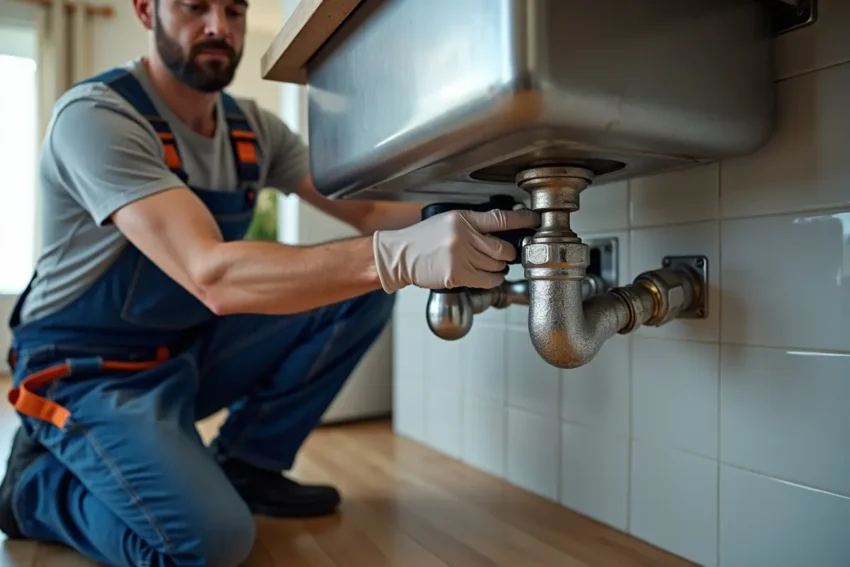
Maintaining a healthy plumbing system is a small investment that goes a long way in preventing unexpected damage, water loss, and expensive repairs. For homeowners who want to avoid the headaches caused by leaks, clogs, or temperature issues, consistent attention and straightforward steps can make all the difference.
Protecting your plumbing also contributes to your home’s overall value and comfort. For those looking to keep every aspect of their property running smoothly, staying on top of plumbing issues matters just as much as keeping up with Phoenix AC repairs and other routine home care tasks.
Many plumbing emergencies can be avoided with practical at-home checks and a commitment to annual inspections. Applying these tips not only saves you money but also helps conserve water, a critical consideration in drier climates. Whether you are a new homeowner learning the ropes or have lived in your house for years, these maintenance habits keep plumbing disasters at bay so you can enjoy peace of mind year-round.
Routine care makes a difference in the efficiency and reliability of your home’s pipes, fixtures, and appliances. By following preventive measures, you reduce the strain on your plumbing system and help extend its lifespan. Keeping up with maintenance is simpler than you might think and often requires only a few minutes each month.
Remember, proactive attention to your water systems works hand in hand with other home comfort services. For specific indoor climate concerns or an annual tune-up, consider scheduling AC repair Phoenix AZ, to optimize your plumbing and HVAC performance throughout the year.
Regularly Check for Leaks
Even a slow drip can result in gallons of wasted water and excessive monthly bills. Frequent inspections under sinks, around toilets, and at all exposed fittings help you spot trouble signs early. Watch for puddles, water stains, wet cabinets, or mildew odors, all of which suggest possible leaks. If you find evidence of leaking, tighten connections or replace worn-out washers right away.
Tackling leaks promptly prevents both water damage to structural elements and health concerns associated with mold growth. According to the U.S. Environmental Protection Agency, fixing easily corrected household leaks can save homeowners about 10 percent on their water bills.
Prevent Clogs with Proper Disposal
Clogs are one of the most common household plumbing issues, but they are also among the easiest to prevent. Enhance the longevity of your drains through these habits:
- Do not dispose of cooking grease, oils, or coffee grounds in the kitchen sink. These substances can solidify and block your pipes.
- Install drain filters or strainers in sinks, tubs, and showers to capture hair and soap particles before they go down the drain.
- Flush drains occasionally with hot water, then use a mixture of baking soda and vinegar. This eco-friendly mix helps dissolve minor buildup.
Consistent attention to what goes down your drains significantly reduces the risk of blockages and backup issues.
Maintain Your Water Heater
Water heaters endure daily use and are prone to sediment buildup, which can lower efficiency and eventually lead to costly malfunctions. To keep your water heater in good shape, schedule an annual flush to remove accumulated minerals. This simple step helps your heater operate efficiently while extending its lifespan.
Setting your water heater temperature to 120 degrees Fahrenheit or lower not only protects your equipment but also prevents scalding accidents and reduces energy costs. If you notice your water is consistently cooler or hotter than expected, or if you see rust around the tank, consult a professional for a checkup.
Protect Pipes from Freezing
Frozen pipes are a common risk in cold-weather regions, and burst pipes can cause significant damage. Take these precautions to protect vulnerable pipes:
- Insulate exposed pipes in unheated spaces, such as garages, basements, or attics, with foam sleeves or insulating tape.
- On very cold nights, allow a small trickle of water to run from indoor faucets to keep water moving and prevent freezing.
- If leaving your home unoccupied during winter, maintain indoor temperatures above 50 degrees Fahrenheit.
If you suspect a frozen pipe, turn off the water supply and slowly thaw the area with gentle heat, such as a hairdryer. Never use an open flame, as it can damage pipes and pose fire hazards.
Monitor Water Pressure
Uncommonly high water pressure puts stress on pipes, fixtures, and appliances, increasing the risk of leaks and breakages. Check your home’s water pressure with a simple gauge attached to an outdoor spigot. The ideal reading falls between 40 and 60 psi.
If your pressure is higher, consult with a plumber about installing a pressure regulator. A regulator controls the incoming flow, ensuring a gentler delivery that extends the life of your plumbing system. Sudden drops or major spikes in water pressure can indicate an underlying issue, such as a main line leak, so it is wise to stay vigilant and act quickly if you notice unusual changes.
For more about water pressure management, you can review best practices at Family Handyman.
Schedule Regular Professional Inspections
Even diligent homeowners benefit from an annual visit from a licensed plumber. Professionals have the expertise and equipment to spot hidden leaks, corrosion, or worn-out fixtures before they become emergencies. They will assess the condition of pipes, inspect appliances, and recommend replacements or upgrades as needed.
Regular inspections are especially important for older homes or those with large, complex plumbing systems. An annual inspection provides reassurance that every component in your system is working as it should, helping you avoid unexpected breakdowns and water damage.
Looking for more in-depth guidance? The Better Homes & Gardens guide to plumbing maintenance offers a comprehensive overview for homeowners.
By incorporating these plumbing maintenance practices into your monthly and yearly routines, you set your home up for fewer problems and a safer, more comfortable living environment. Staying proactive will lower your risk of costly surprises and ensure your plumbing and water systems serve you well for years to come.