
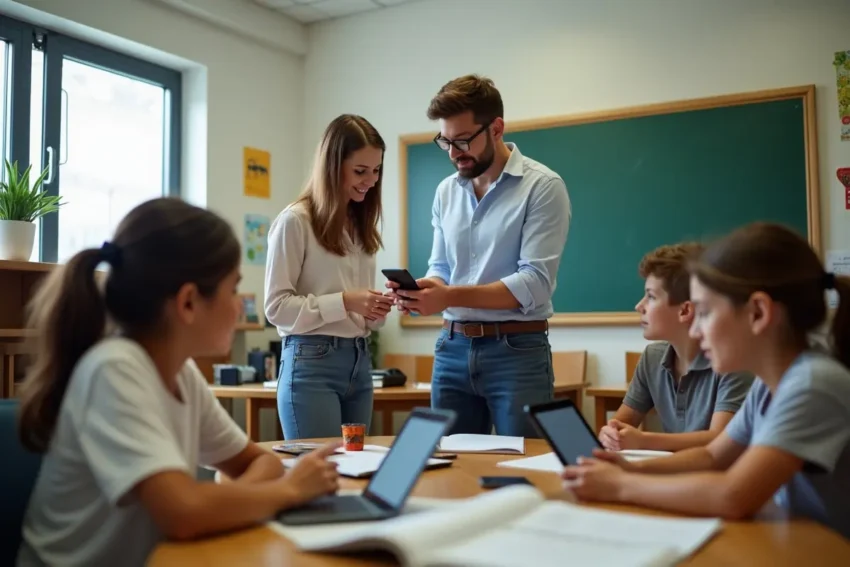
In today’s digital era, the power of mobile technology is transforming the landscape of education. Mobile education apps are not just providing alternatives to traditional classrooms but are also redefining how, when, and where learning happens. As students and teachers increasingly rely on these innovative tools, understanding trends in education app design reveals how apps bridge accessibility gaps, personalize experiences, and foster deeper engagement across age groups and geographies.
Mobile education technology is propelling learning beyond the physical boundaries of brick-and-mortar schools. With smartphones and tablets becoming ubiquitous, learners from urban centers to the most remote locations now have virtual classrooms nestled in their palms. This accessibility, paired with user-centered design, is helping a new generation of students receive quality content on their own terms, regardless of socioeconomic status.
Breaking Down Barriers to Education
Education, for centuries confined by geography and resource availability, has become universally accessible through mobile apps. Students in remote villages and bustling cities alike can access the same reading assignments, science experiments, and peer discussion forums. Real-time language translation, teacher messaging, and asynchronous lessons enable collaboration and support that was previously unimaginable.
By offering downloadable content and offline learning, apps make it possible for users in areas with limited internet connectivity to continue learning without interruption. This transformation is backed by global studies that show a significant increase in learning outcomes in regions adopting mobile education technology.
As traditional classroom constraints such as fixed schedules and brick-and-mortar access diminish, inclusive education takes center stage. Adaptive interfaces and multilingual support break down language or physical impairments that previously excluded some students. For parents and working adults, mobile learning opens up new opportunities for continuing education and skill development after school or outside working hours.
Personalized Learning Experiences
Modern education apps deploy sophisticated adaptive algorithms that tailor learning paths to each individual’s strengths and weaknesses. Gone are the days of one-size-fits-all curricula. Instead, continuous user feedback, performance analytics, and AI-driven recommendations create a nuanced, evolving syllabus for every student. Students encounter content at the right challenge level, reinforce skills as needed, and receive support precisely when their progress slows, turning learning into a uniquely personal journey.
Personalization extends to format as well. Visual learners may experience more diagrams and videos, while those excelling with text can opt into reading-based modules. Some advanced apps allow parents and educators to set progression goals, monitor engagement, and curate supplemental materials for holistic learning. By connecting with educators and caregivers, apps ensure every learner’s path accommodates both pace and preferred learning modalities.
Enhancing Engagement Through Interactivity
Mobile education apps harness gamification, instant feedback, and collaborative features to turn learning into a highly engaging, interactive process. Instead of passively reading static content, students tackle quizzes, puzzles, and games that promote active participation. Leaderboards, badges, and rewards incentivize continued engagement and healthy competition. Live polls, peer discussion boards, and immediate feedback motivate learners to revisit concepts and strive for mastery.
Such interactivity not only makes education enjoyable but also boosts knowledge retention and practical application. Apps designed with interactivity in mind often leverage push notifications to remind learners about practice opportunities or challenge them with timely questions, turning idle screen time into productive learning moments.
Bridging the Educational Divide
One of the most promising implications of mobile education technology is its ability to close longstanding educational divides. Expensive textbooks, limited teaching resources, and geographic isolation once stymied students in underserved communities. Today, mobile devices provide entry to a rich library of lessons, e-books, and multimedia content.
With scalable platforms, governmental and non-governmental organizations now launch free or low-cost education initiatives reaching millions worldwide. The ability to update content remotely keeps resources current and relevant, addressing gaps in traditional print curricula.
By facilitating real-time guidance from teachers and peers, apps create digital communities for mutual support and collaborative learning. Such connectedness helps marginalized learners overcome obstacles and build confidence alongside their peers globally.
Addressing Challenges in Mobile Learning
Despite the many benefits of mobile education apps, challenges remain. Excessive screen time can affect physical and mental well-being. Developers and educators are introducing built-in screen monitoring tools, scheduled breaks, and reminders to promote healthy habits. Managing notifications and multitasking distractions is another focus, with features that limit interruptions and encourage focus during study sessions.
Data privacy is another significant concern. With sensitive educational and personal information flowing through apps, implementing robust encryption, access controls, and transparent privacy policies is critical. Successful models include strict parental consent standards for minors and the regular auditing of security protocols to ensure ongoing compliance with privacy best practices.
The Future of Mobile Learning
Emerging technologies promise to further expand what learners can achieve through mobile education apps. Artificial intelligence is powering hyper-personalized learning paths and intelligent tutoring systems that predict user needs.
Virtual and augmented reality tools will immerse students in interactive science labs, language immersion environments, and historical re-creations without leaving their homes. As 5G networks proliferate, richer media and collaborative features will become standard, making remote group projects and real-time assessments seamless.
Ongoing collaboration among educators, app developers, and policymakers will help shape balanced, accessible, and secure solutions for a diverse population of learners worldwide.
Conclusion
Mobile education apps are profoundly reshaping how people learn by making education accessible, customizable, and interactive for all. As technology and design trends evolve, these apps will continue to open doors for learners, educators, and communities, sustaining the transformation of education in the digital age.