
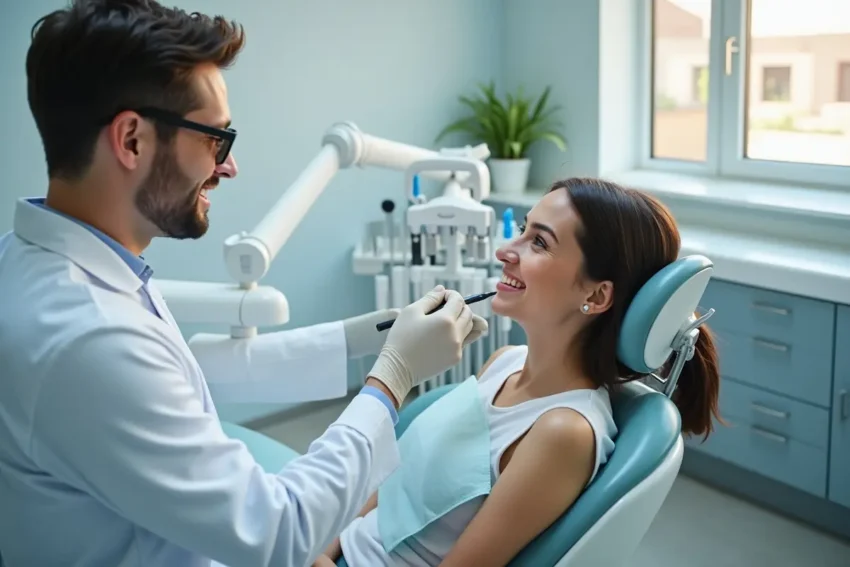
Modern dentistry stands at the intersection of oral health and aesthetic improvement, delivering smiles that are both healthy and visually appealing. The increase in technological advancements has enabled dentists to evolve from simply treating disease and damage to enhancing smiles with minimal invasiveness. Today, patients expect dental procedures to restore full function while also blending seamlessly with natural teeth, offering a boost to both health and confidence.
Innovations in dental implants, veneers, and whitening treatments have made it easier than ever for individuals to achieve the perfect blend of durability, comfort, and aesthetics. Dentists now have access to materials and procedures that preserve the structure and function of teeth while also delivering lifelike results. This shift reflects a broader trend in healthcare, where patient expectations increasingly favor personalized, comprehensive solutions that optimize quality of life.
As practices adopt newer materials, enhanced diagnostic tools, and sophisticated restoration techniques, the separation between health-driven and cosmetic-driven dentistry continues to diminish. Treatments can now be planned with digital precision, ensuring outcomes meet both clinical needs and patients’ own vision for their smile. This dual focus enhances patient satisfaction and long-term oral health outcomes.
The integration of cutting-edge technology and patient-focused protocols ensures that every procedure is tailored to the individual, minimizing discomfort and maximizing satisfaction. With the blending of these approaches, the dental experience is elevated, fostering trust and encouraging proactive care.
The Evolution of Dental Restorations
In the past, dental restorations were centered mainly on restoring function. Metal fillings and crowns, while strong, fell short of blending in with the natural tooth structure. Today, the use of composite resins, ceramics, and advanced bonding agents allows for durable, aesthetic results that harmonize with the natural dentition. Aesthetic anterior composite restorations have become widely adopted for repairing decay or fractures, providing both resilience and a remarkably lifelike appearance.
The move towards tooth-colored materials has not only improved smiles but also reduced the removal of healthy tooth structure during treatment. This conservative approach, known as minimally invasive dentistry, reflects the profession’s growing emphasis on long-term oral health.
Digital Dentistry: A Game Changer
The digital revolution in dentistry has fundamentally transformed treatment planning, diagnostics, and the patient experience. CAD/CAM systems enable same-day fabrication of crowns, onlays, and veneers with exceptional precision. Three-dimensional scanning and digital impressions remove the discomfort of traditional molds while delivering superior accuracy.
3D printing technology allows dental professionals to fabricate custom appliances, such as surgical guides and clear aligners, directly in their offices. These innovations reduce turnaround time and enhance the fit and function of restorative work, making procedures less invasive and more predictable.
Artificial Intelligence in Personalized Care
Artificial intelligence is now shaping the future of patient care in dentistry. AI algorithms evaluate digital scans and radiographs, helping dentists diagnose and plan treatments for issues such as cavities, gum disease, and malocclusion with remarkable efficiency. These systems can even recommend preventative strategies tailored to a patient’s unique risk profile.
One of the most exciting advancements is data-driven smile design. By analyzing a patient’s facial features and dental history, AI can simulate outcomes and assist in crafting restorations that complement each individual’s natural appearance. This level of personalization ensures that functional and aesthetic goals are always aligned.
Eco-Friendly Practices in Dentistry
As sustainability becomes increasingly important in healthcare, many dental offices are adopting eco-friendly practices. Digital record-keeping reduces paper waste, while energy-efficient equipment and biodegradable materials shrink dental practices’ environmental footprint. These changes resonate with patients who value environmentally conscious healthcare providers and contribute to a greener future.
Minimizing single-use plastics and responsibly disposing of hazardous waste are additional steps being taken to make dentistry safer for the planet. Not only do these initiatives improve environmental outcomes, but they can also reduce overhead costs for practices.
The Role of Preventive Care
Preventive care is the foundation of modern dental health. Regular check-ups, professional cleanings, and patient education about oral hygiene prevent small issues from escalating into major health concerns. Early intervention not only preserves natural tooth structure but also reduces the need for complex restorative procedures.
Empowering patients through education and monitoring helps foster long-term relationships and keeps oral health outcomes on track. With new diagnostic tools and risk assessment programs, dentists can offer guidance that is more precise and more effective than ever.
Patient-Centered Approach
The trend toward individualized care is redefining the dentist-patient relationship. Modern practitioners take the time to understand each patient’s health history, cosmetic goals, and lifestyle preferences. Input and feedback from the patient are integrated into treatment planning, combining informed choices with clinical expertise for optimal results.
A collaborative approach ensures treatments are both safe and aligned with the patient’s vision for their smile. This transparency builds trust and satisfaction while encouraging more consistent and proactive care.
Conclusion
The seamless blend of technology, innovation, and patient-centered care has changed the way dentistry approaches both oral health and aesthetics. By using advanced tools, sustainable practices, and a focus on individualized needs, dental professionals are better equipped than ever to create smiles that are both healthy and beautiful. As the field continues to evolve, patients can look forward to even more efficient, eco-conscious, and personalized solutions for their dental care.