
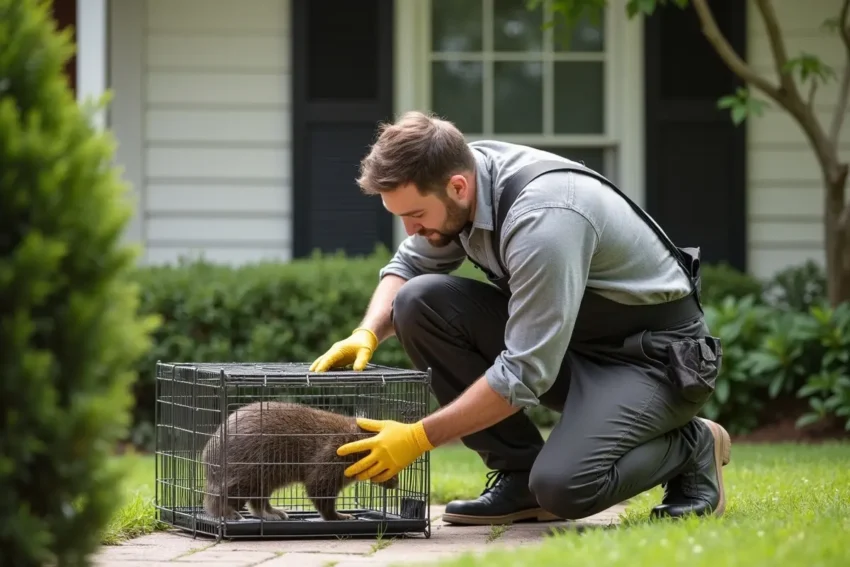
Dealing with uninvited wildlife in your home is not only a challenge, but it also calls for a thoughtful approach to ensure the safety of both your family and the animals. A humane strategy prevents needless suffering, minimizes property damage, and ensures wildlife are treated with respect. For Arizona homeowners exploring safe removal solutions, critter control AZ offers options that address urgent problems while prioritizing effective, compassionate care.
Wildlife intrusions often occur during seasonal changes or extreme weather when animals are searching for food and shelter. Humane wildlife removal is essential for protecting homes while maintaining ecological balance. Swift action fosters effective solutions that prioritize kindness and safety, benefiting both homeowners and local wildlife. By using informed methods that account for animal behavior and health risks, homeowners can ensure their actions align with conservation goals and foster coexistence, ultimately preventing future wildlife issues.
Importance of Humane Wildlife Removal
Choosing humane wildlife removal methods is vital for several reasons. Treating animals kindly not only protects them from suffering but also supports public health and safety by minimizing the risk of bites, disease transmission, or further property damage. In many regions, using inhumane practices is not just unethical but also illegal, underscoring the necessity for humane approaches. The adoption of these methods supports broader conservation goals and teaches respect for all forms of life.
Professional wildlife removal companies often have strict protocols for safely relocating animals, always considering the long-term impact on both individuals and local species populations. This responsible approach balances community interests with environmental stewardship, helping to maintain healthy ecosystems in and around urban areas.
Common Wildlife Intruders
Many animal species are adept at exploiting weaknesses in home structures in their search for warmth, shelter, and food, especially during harsh weather events. Some of the most frequently encountered wildlife intruders include:
- Raccoons: Resourceful and highly skilled climbers, raccoons often gain entry through loose roof shingles or uncapped chimneys. They can create significant messes and may carry diseases like rabies.
- Squirrels: Small but persistent, they love attics and crawl spaces. Their gnawing can lead to costly structural and electrical damage.
- Bats: Favoring dark, undisturbed spaces like attics, they pose potential health risks, including histoplasmosis. Their droppings can also cause structural issues over time.
- Rodents (Mice and Rats): Known for squeezing through the tiniest cracks, rodents can chew through insulation and electrical wiring, creating both safety and fire hazards.
Effective Humane Removal Methods
Addressing a wildlife intrusion requires a careful balance of effectiveness and compassion. Here is a breakdown of humane wildlife removal steps:
- Thorough Inspection: The first step is to identify how and where animals have entered the property. Look for nests, droppings, tracks, and damage, focusing on attics, garages, basements, and crawl spaces.
- Exclusion: After confirming no animals remain inside, seal all entry points. Use heavy-gauge wire mesh, chimney caps, and reinforced vent covers to prevent re-entry while allowing any trapped animals an exit route before fully sealing.
- Use of Repellents: Non-toxic sprays, natural deterrents like peppermint oil, or ultrasonic devices can encourage animals to move elsewhere without causing harm.
- Live Trapping: If necessary, live traps designed to minimize stress are used to capture and safely release intruding animals, provided they comply with local laws. It’s crucial to release animals near their original locations to avoid disrupting local ecosystems.
Homeowners are advised against relocating wildlife long distances, as this can harm the animal, spread disease, or cause complications in unfamiliar territory. If separating mother animals from their young is a risk, delay exclusion until the young have matured and can survive independently.
Preventive Measures
Prevention remains the best defense against future wildlife incursions. Regular maintenance and proper home management can significantly reduce your risk of unwanted guests:
- Home Maintenance: Conduct seasonal inspections of your roofline, siding, vents, and foundation. Repair holes, fill gaps, and install sturdy screens on chimneys and vents.
- Food Storage: Store all food, including pet food, in airtight containers. Keep garbage bins securely closed and promptly remove attractants from outdoor areas.
- Yard Management: Trim trees and shrubs away from your home to prevent easy access to roofs and attic spaces. Avoid leaving birdseed and fallen fruit on the ground.
Incorporating these preventive habits helps deter wildlife from viewing your home as a viable shelter or food source year-round.
When to Seek Professional Help
Sometimes, wildlife may be aggressive, pose health risks, or create infestations too extensive for DIY solutions. Seeking a licensed professional ensures humane handling, effective exclusion, and compliance with local regulations. Experts are trained to safely address complex situations, especially with protected or potentially dangerous species. They can also provide long-term solutions to prevent recurrence.
Legal Considerations
Many local, state, and federal laws regulate wildlife removal practices and protect certain wildlife populations. Unauthorized handling of certain species can result in steep fines or criminal charges. Always check regulations governing trapping, relocation, and exclusion, particularly for birds, bats, and other protected animals. Compliance with these laws not only protects animals but also your legal interests as a property owner.
Conclusion
Adopting humane, effective methods for wildlife removal fosters safe coexistence with nature while protecting your property. By understanding animal behaviors, implementing smart prevention strategies, and engaging experts when necessary, you protect your family, your home, and the local ecosystem. Practicing compassionate wildlife control creates a more thoughtful and harmonious environment for everyone.