
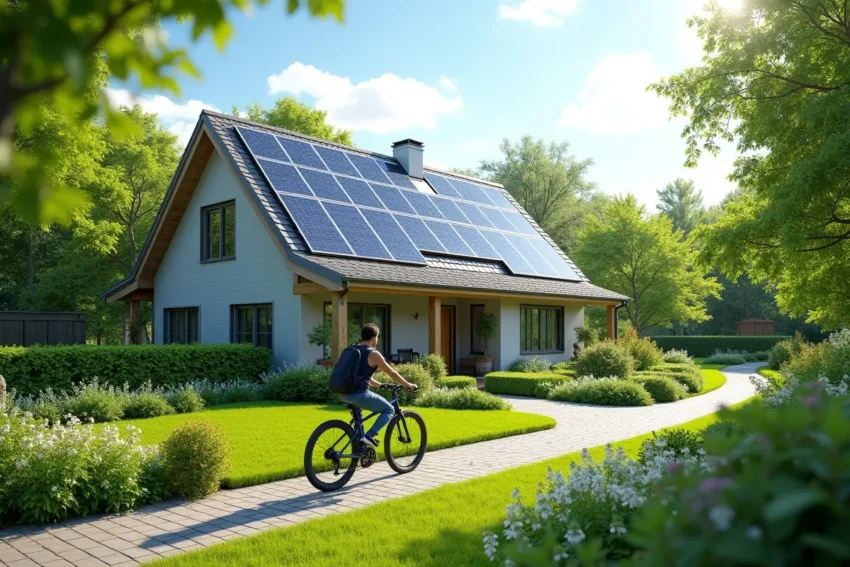
With growing concerns about global warming and climate change, individuals are increasingly looking for practical ways to reduce their carbon footprint. Making smarter energy choices at home is an effective and manageable starting point for most people. By implementing targeted changes, anyone can significantly cut their environmental impact while also saving on utility costs. For those seeking tailored solutions, Indra Energy offers resources and green energy options designed to help reduce overall energy consumption.
Every day energy decisions, from the appliances you use to the type of transportation you rely on, contribute to your carbon footprint. Adopting more sustainable habits not only benefits the environment but often leads to lower energy bills and increased comfort in your living space. Whether you are just starting your sustainability journey or looking to optimize your efforts, this guide offers accessible tips to make a tangible difference.
Many of these changes require little to no upfront investment. Even simple behavioral adjustments, such as unplugging unused electronics or switching to cold-water laundry cycles, can add up to meaningful results over time. By upgrading technologies and supporting clean energy initiatives, households can create ripple effects that extend beyond their own four walls and into the larger community.
Upgrade to Energy-Efficient Appliances
One of the most straightforward ways to reduce household energy use is by upgrading to high-efficiency appliances. When replacing old refrigerators, dishwashers, washing machines, or air conditioners, look for the ENERGY STAR® label. These products are certified to meet strict energy efficiency guidelines set by the U.S. Environmental Protection Agency. For example, ENERGY STAR refrigerators use about 15 percent less energy than non-certified models, contributing to substantial energy and financial savings over time. Studies have shown that the wide adoption of these appliances can collectively make a remarkable impact on residential energy use.
Optimize Home Insulation
Heating and cooling typically account for the largest portion of home energy use. By insulating your attic, sealing ductwork, and eliminating drafts around doors and windows, you can maintain a comfortable indoor temperature with less energy. Basic upgrades, such as weather-stripping or adding insulation to walls, can help households avoid energy waste and improve home comfort.
Thermal imaging tools are available to pinpoint specific areas where heat escapes, guiding you to where improvements will be most effective. The U.S. Department of Energy offers a comprehensive guide to do-it-yourself energy-saving projects, including insulation techniques.
Adopt Renewable Energy Sources
Harnessing renewable sources like solar or wind for electricity generation is among the most impactful ways to cut carbon emissions. Residential solar panel installations allow homeowners to decrease their reliance on fossil fuels directly. At the same time, many communities now offer shared solar or green power programs for those unable to install their own systems. Incentives, including tax credits and utility rebates, reduce the investment barrier and accelerate adoption. States like New York provide robust support for renewable energy upgrades, making the transition more accessible for residents.
Reduce Meat Consumption
Food choices make a significant difference in one’s overall carbon footprint, particularly the consumption of red meats such as beef. Livestock agriculture is a major source of methane and nitrous oxide emissions. Reducing meat intake or gradually introducing more plant-based meals can dramatically shrink dietary impacts. Even modest changes, such as designating one day a week as meat-free, can cumulatively contribute to positive environmental outcomes. The BBC discusses the environmental benefits of reducing meat consumption.
Unplug Electronics When Not in Use
Many appliances continue to draw electricity even when powered down. Known as “vampire loads,” devices like televisions, gaming systems, and chargers slowly increase your electric bill and contribute to unnecessary emissions. Using a smart power strip or simply unplugging devices when not in use can save both energy and money. This small adjustment, when routinely practiced, can make a noticeable difference in annual energy consumption.
Choose Sustainable Transportation
Transportation is a leading contributor to individual carbon footprints, with gasoline- and diesel-powered vehicles producing substantial greenhouse gas emissions. Opt for walking, biking, carpooling, or public transit whenever possible, and consider switching to an electric or hybrid vehicle if you drive regularly. Trip chaining (combining multiple errands in one outing) and keeping your tires properly inflated are easy ways to increase efficiency. Even occasional shifts away from driving alone make a meaningful difference over time.
Practice Energy-Efficient Laundry Habits
Small changes in laundry practices can yield notable energy savings. Wash clothes in cold water, wait until you have a full load, and avoid using the dryer whenever possible. Modern high-efficiency washing machines require less water and energy than older models, and air-drying racks can often replace machine-drying. Together, these steps reduce both your utility bills and your environmental impact.
Support Policies and Initiatives for Clean Energy
Lasting change often requires collective action. Get involved in your local community’s clean energy programs, stay informed about new policies, and support legislation favoring renewable energy and energy efficiency. Voices matter when shaping a sustainable future. By encouraging policymakers and organizations to act on climate change, you amplify your individual efforts and help make clean energy more accessible to more people.
Embracing these energy-smart habits can lead to lower bills, improved comfort, and a healthier planet. Each decision, no matter how small, forms a building block in the transition to a more sustainable world.
Final Thoughts
Making energy-smart choices at home is an accessible and effective way to reduce your carbon footprint while saving money. Simple habits, like unplugging unused electronics, washing clothes in cold water, or reducing meat consumption, add up over time. Upgrading to energy-efficient appliances, improving insulation, and adopting renewable energy sources further amplify the benefits.
Individual actions matter, but supporting clean energy policies and community initiatives extends the impact beyond your household. By combining everyday practices with strategic upgrades, homeowners can enjoy lower utility bills, greater comfort, and a meaningful contribution to a healthier, more sustainable planet.