
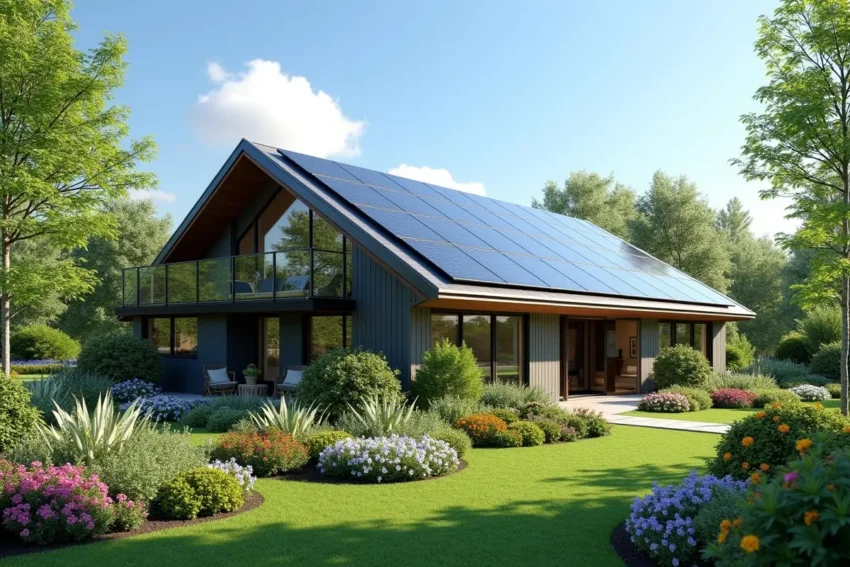
The transition toward sustainable building practices is redefining how construction professionals and property owners consider their roofing options. With every project, the goal is to reduce environmental impact while improving efficiency, durability, and resilience.
Roofing systems, being one of the most visible and essential building elements, present a valuable opportunity to embrace innovative, eco-friendly alternatives. For those seeking new construction solutions that align with modern sustainability goals, learning more about available choices is crucial—discover what’s possible with https://www.deltaservices.com/new-roofing-construction/.
Sustainable roofing doesn’t just provide immediate environmental benefits; it also enhances long-term building performance, reducing utility costs and maintenance needs. The surge in advanced materials and green technologies enables builders to create high-performing structures that meet today’s stringent energy-efficiency and resilience standards—with options suitable for both new construction and retrofits.
Metal Roofing: Durable and Recyclable
Among the many sustainable roofing solutions available, metal roofing stands out for its impressive longevity, often exceeding 50 years. These roofs can be manufactured from recycled content and are fully recyclable at the end of their life, contributing to a closed-loop manufacturing process that reduces both landfill waste and the energy demand of raw material extraction. Metal roofs are also highly reflective, significantly lowering building cooling costs in hot climates by minimizing heat absorption.
Cool Roof Technologies: Enhancing Energy Efficiency
Cool roofs use roofing materials designed to reflect more sunlight and absorb less heat than conventional products. Popular cool roofing options include coated shingles, highly reflective membranes, and white thermoplastic layers.
By reducing heat transfer, these systems help maintain more stable indoor temperatures and lessen reliance on air conditioning, which can drive substantial reductions in energy usage and greenhouse gas emissions. According to the U.S. Department of Energy, cool roofs are proven to reduce annual energy costs and improve overall building comfort.
Green Roofing Systems: Living Roofs for Urban Spaces
Green or living roofs feature layered systems of vegetation atop a waterproof membrane, transforming rooftops into thriving ecosystems. The benefits are multifold: improved building insulation, stormwater management, and increased urban biodiversity. In dense metropolitan areas, green roofs effectively combat the urban heat island effect by providing cooling surfaces, absorbing carbon dioxide, and creating recreational or agricultural space where land is scarce.
According to the U.S. Environmental Protection Agency, green roofs help reduce the heat island effect by cooling and shading buildings and surrounding air, which can lower energy use and improve urban comfort even on the hottest days. Their ability to retain and filter stormwater also protects local waterways from runoff pollution.
Self-Healing Materials: The Future of Maintenance-Free Roofs
Ongoing research and innovation in roofing materials are yielding innovative systems that reduce lifecycle maintenance and repair demands. Self-healing membranes contain embedded microcapsules of sealant that automatically repair minor punctures or cracks as they occur, extending roof lifespan and minimizing leak risks.
These materials are particularly well-suited to climates with freeze-thaw cycles or to roofs exposed to mechanical damage, promising a near-maintenance-free solution for the future. For instance, The Roof Store offers an Ice and Water Shield that acts as a self-healing waterproofing membrane.
Solar-Integrated Roofing: Harnessing Renewable Energy
Solar-integrated roofing options, including photovoltaic shingles and tiles, infuse renewable energy generation directly into the roof structure. These systems allow property owners to offset or eliminate their reliance on grid electricity, lowering energy bills and supporting decarbonization goals. Unlike traditional rooftop solar panels, integrated solar shingles blend aesthetically with standard roofing designs, removing the need for mounting racks and making them a favored choice for both new and retrofit projects.
Recycled Materials: Promoting a Circular Economy
Recycled-content roofing products have grown rapidly in popularity, filling the need for high-performance, affordable, sustainable materials. Rubber and plastic roofing made from repurposed tires, bottles, or industrial composites offers durability, waterproofing, and impact resistance suitable for a variety of climates. These applications keep vast amounts of waste out of landfills and provide new uses for post-consumer materials, supporting the ongoing shift toward a circular economy in the construction sector.
Adaptive Recycled Plastic Architecture: Innovative Designs
Advancements in design software and modular construction have paved the way for adaptive roofing systems crafted from recycled plastics. Lightweight, vacuum-formed chainmail structures demonstrate how repurposed polymers can offer both architectural flexibility and strong structural performance.
This innovative approach is opening new possibilities for modular, easy-to-install, and even demountable roofing options suited to both permanent and portable buildings. The trend underscores the continued importance of cross-disciplinary innovation in building sustainably for tomorrow’s needs.
Conclusion
Today’s sustainable roofing options go far beyond traditional materials. Whether the goal is reducing lifetime emissions, cutting energy costs, or achieving near-zero waste construction, implementing future-ready roofing is essential for responsible modern building. Technologies like cool metal roofing, living green roofs, self-healing membranes, and solar-integrated systems are not just trends; they are proven pathways toward resilient, high-performing, and environmentally conscious buildings—marking the next chapter in roofing for the modern era.