
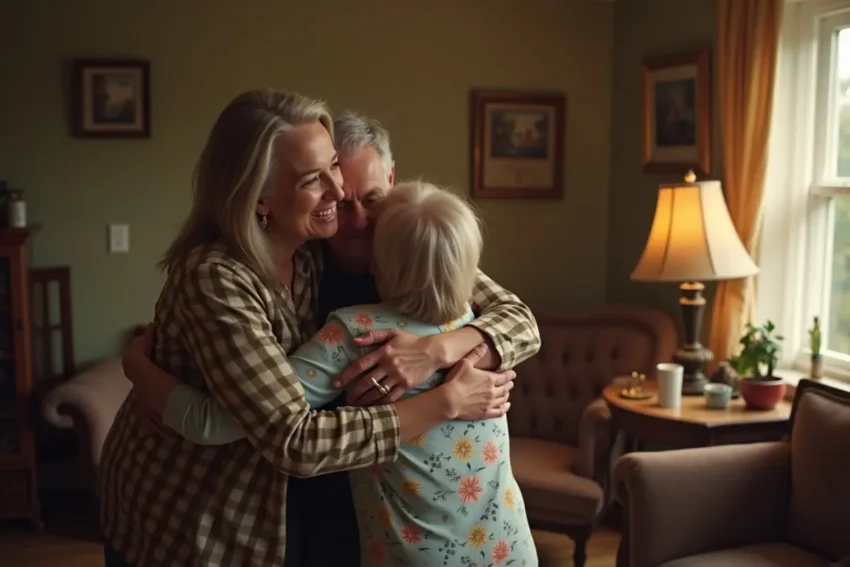
Reunions have a way of stirring up a cocktail of emotions. For many, the idea of stepping back into a room full of former classmates can trigger excitement, anxiety, and a deep sense of nostalgia all at once. These gatherings are more than just social events. They are reflective experiences that connect past and present in ways that few other occasions can.
The Nerve-Racking Side of Reunions
Walking into a reunion can be intimidating. After years or even decades apart, people often worry about how they will be perceived. Will their peers remember them fondly, or will they feel awkward and out of place? Questions about personal achievements, family life, and career progress tend to creep into the mind, creating a subtle pressure to measure up to imagined expectations.
For some, the anxiety is amplified by memories of high school hierarchy and social dynamics. The former class president, the star athlete, or the class clown may now hold positions of respect, or life may have taken them on entirely different paths. Comparing oneself to these memories can be unnerving, even if only subconsciously.
Moreover, social skills that were second nature in youth can feel rusty in adulthood. Initiating a conversation with someone you haven’t spoken to in years requires confidence and courage, making the prospect of small talk stressful for many. It is natural to overthink introductions, worry about awkward silences, or wonder if old friendships can be rekindled.
The Nostalgic Pull of Reunions
Despite the nerves, reunions also carry a profound sense of nostalgia. Seeing familiar faces, familiar spaces, and revisiting old stories can bring back vivid memories. The shared history acts as a bridge, connecting the past with the present. Even simple moments, like walking past the school gym or recognizing a long-forgotten locker, can evoke feelings of warmth and familiarity.
Yearbooks are often central to this nostalgia. Flipping through a collection of past classmates’ photos, now grown into adults with families and careers, can be both surprising and comforting. Many people use online resources to find their yearbook archives to jog their memory and reconnect with faces from their school days. These digital or physical collections act as tangible time machines, allowing reunion attendees to laugh, reminisce, and share memories that might otherwise have faded.
Nostalgia at reunions is not just about remembering who everyone was. It is about celebrating how far everyone has come. Stories of personal growth, achievements, and unexpected journeys often surface, giving attendees a renewed sense of appreciation for their own paths. It is a rare occasion where the past is honored while the present is acknowledged, creating a unique blend of reflection and joy.
Balancing Nervousness with Excitement
The emotional duality of reunions, nerve-racking anxiety mixed with nostalgic warmth, makes them compelling events. The anticipation can heighten the experience, making small moments feel significant. That initial nervousness often fades once conversations begin, replaced by laughter, storytelling, and shared experiences that remind everyone why those connections mattered in the first place.
For many, the key to enjoying a reunion is perspective. Instead of worrying about comparisons or judgments, embracing the opportunity to reconnect can transform anxiety into excitement. Celebrating both past memories and present realities allows attendees to experience the full spectrum of emotions that make reunions memorable.
In the end, reunions are a unique intersection of reflection and reconnection. They remind us that the people who shaped our early years are still part of our story, even if life has taken us in different directions. By acknowledging the nerves while savoring the nostalgia, reunions become more than gatherings. They become celebrations of growth, change, and enduring human connection.