
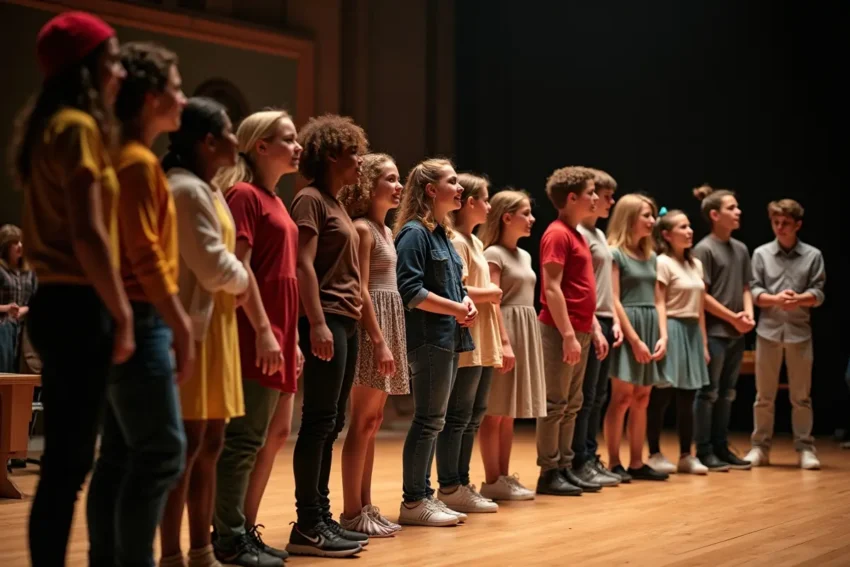
Engaging in performing arts education significantly boosts students’ academic performance, social skills, and personal growth. Participation in structured arts programs develops not only the obvious talents related to music, dance, and theatre, but also a host of transferable skills that serve youth throughout their lives.
In Asheville, institutions like the performing arts academy Asheville provide comprehensive programs that foster these benefits by blending rigorous training with a nurturing environment. APAA offers a range of opportunities, including The Company, a pre-professional conservatory for middle and high school students, which places a strong emphasis on American Musical Theatre.
The academy’s mission is to cultivate both artistic ability and personal character, encouraging every student to discover their voice, collaborate, and push their creative boundaries. Through their programs, students in Asheville can experience high-quality performing arts training alongside academic development, setting the stage for long-term success both on and off the stage.
How Does Performing Arts Education Improve Academic Performance?
Studies indicate that students involved in arts education are four times more likely to be recognized for academic achievement. Additionally, these students often score higher on standardized tests, with some reports showing an average increase of 10%. This correlation suggests that the skills developed through performing arts, such as discipline, focus, and perseverance, translate into better academic outcomes.
Through regular practice and rehearsal, students learn effective study habits and time management, which are crucial not only for artistic pursuits but also for traditional academics. Engaging in performing arts child development activities provides structured opportunities for growth, helping young learners build confidence, collaboration skills, and emotional resilience alongside their artistic talents.
The attention to detail required in mastering lines, choreography, or musical arrangements increases mental engagement. It sharpens memory, often resulting in noticeable improvements in other subjects such as math and reading. Furthermore, teachers frequently observe that students who engage in the arts exhibit greater enthusiasm for learning and enhanced classroom participation, which contributes to a positive feedback loop between creative activity and academic achievement.
What Skills Do Students Gain from Performing Arts Participation?
Engaging in the performing arts cultivates a range of essential skills increasingly recognized as vital for success in modern society. These programs often emphasize holistic development, turning students into adaptable and resilient individuals prepared for a rapidly changing world. For example, while practicing for a play or musical, students must learn to quickly solve unexpected problems such as technical issues or forgotten lines on the spot, thereby becoming more resourceful and confident in unfamiliar situations.
- Critical Thinking: Analyzing scripts and interpreting characters enhances analytical abilities, helping students deconstruct complex themes and motivations.
- Creativity: Developing performances encourages innovative thinking by inspiring students to explore new ideas and push artistic boundaries.
- Problem-Solving: Overcoming challenges during rehearsals and performances builds resilience and adaptability, as students must collaborate and negotiate to find the best solutions.
- Collaboration: Working in ensembles teaches teamwork and communication, as successful performances depend on synchronized efforts and mutual support.
These competencies are highly valued in various professional fields, preparing students for diverse career paths. For example, the communication and leadership abilities honed in arts programs can lay the groundwork for future success in business, healthcare, technology, and more. By building these fundamental skills early, students become well-rounded individuals capable of making significant contributions to whatever field they choose.
How Does Arts Education Support Social-Emotional Development?
Participation in the arts has been linked to improved social-emotional learning, with 80% of students reporting better emotional regulation as a direct result of their involvement. Performing arts provide a unique platform for self-expression and emotional exploration, offering students a safe space to process and communicate their feelings.
Whether through acting, singing, or dancing, students are encouraged to step into different roles and perspectives, cultivating empathy and strengthening their understanding of others’ experiences. This practice, in turn, helps them handle real-life social interactions with greater maturity and insight.
Performing with peers on stage or working collaboratively on creative projects also helps young people develop trust, respect, and a sense of responsibility toward others. Through the necessity of working towards a shared goal, arts education builds lifelong friendships and a sense of belonging—both of which are fundamental to emotional well-being. In a world where children and teens face growing social and mental health challenges, these benefits are invaluable, providing tools to manage stress and anxiety while fostering positive self-esteem.
What Opportunities Exist in Asheville for Performing Arts Education?
Asheville boasts a vibrant arts community, offering numerous avenues for student engagement. The Asheville Performing Arts Academy (APAA) offers programs for students of all ages and skill levels, emphasizing both performance and personal growth. Guided by experienced mentors, students at APAA have access to coaching, workshops, and hands-on learning experiences designed to ignite passion while developing discipline and confidence. The academy’s productions, recitals, and showcases allow students to share their talents with family, friends, and the wider Asheville audience, nurturing a sense of achievement and pride.
Additionally, local initiatives like the Arts for Schools Grant support arts-focused activities in public schools, ensuring broader access to arts education for all students, regardless of background or socioeconomic status. This widespread support is reflected in Asheville’s many youth performance ensembles, after-school programs, and summer camps, which collectively create a dynamic network of opportunities for children and teens to explore and deepen their artistic interests. As a result, Asheville stands out as a city where creative education is integrated into the cultural fabric, benefiting both individuals and the community as a whole.
How Does Community Involvement Enhance Arts Education?
Community engagement amplifies the impact of arts education, creating connections that reach far beyond school walls. Programs like LEAF Schools & Streets offer residencies and workshops led by professional artists, integrating cultural arts into the educational experience and exposing students to a wide range of artistic traditions. These collaborations allow young performers to learn directly from working professionals, providing both artistic inspiration and valuable career insights.
Partnerships between schools and community organizations ensure that learning is relevant, diverse, and enriched by real-world perspectives. Arts festivals, public performances, and exhibitions allow students to showcase their work, build confidence, and feel valued as contributors to Asheville’s creative heritage. By interacting with local artists and engaging with the wider public, students develop a sense of civic responsibility and pride in their accomplishments, reinforcing the idea that their skills and creativity have a meaningful impact outside the classroom.
What Are the Long-Term Benefits of Performing Arts Education?
Beyond immediate academic and social advantages, performing arts education contributes to long-term success in both personal and professional spheres. Students involved in the arts are twice as likely to graduate from college and are 78% more likely to volunteer in their communities, showing higher levels of civic engagement and leadership. The self-discipline and perseverance developed through ongoing participation in music, theatre, or dance instill lifelong habits of hard work, adaptability, and continuous learning.
Moreover, alumni of strong arts programs often point to their early experiences as foundational for building confidence, pursuing advanced education, and excelling in their chosen careers. Whether they continue in the arts or enter different industries, former students benefit from the communication skills, empathy, and self-awareness that are hallmarks of robust arts education. These qualities are essential not only for building successful careers but also for navigating personal relationships and contributing positively to society.
How Can Parents and Educators Support Arts Education?
Parents and educators play a critical role in advocating for robust arts programs and ensuring access for all students. By attending performances, volunteering at events, and encouraging participation in local theatre or music workshops, families demonstrate the importance of the arts and model ongoing community involvement. Educational leaders can support arts education by securing resources, funding, and policies that prioritize creative learning alongside core academic subjects.
- Encouraging student participation in school and community arts activities fosters personal growth and cultivates talent from an early age.
- Supporting policies that allocate funding for arts education ensures that programs remain accessible and thriving, regardless of economic challenges.
- Collaborating with local arts organizations provides diverse learning experiences, connects students with mentors, and expands their horizons.
By prioritizing arts education, stakeholders can ensure that students reap the myriad benefits of participating in the performing arts. These investments pay lifelong dividends, equipping young people to enter adulthood as well-rounded, responsible, and innovative individuals. With a unified commitment to supporting artistic programs in schools and the community, Asheville can continue to serve as a model for nurturing the next generation of creative thinkers and leaders.
In summary, performing arts education plays a crucial role in student development, offering opportunities for academic, social, and personal growth. Asheville’s rich cultural landscape, supported by institutions like the Asheville Performing Arts Academy and community initiatives, provides an ideal environment for students to thrive through the arts.