
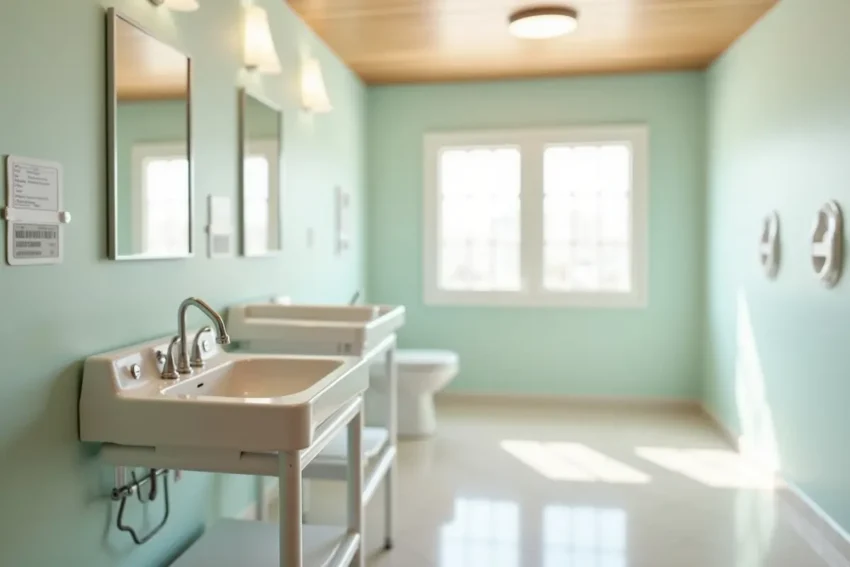
Designing public restrooms with families in mind is no longer an afterthought but a fundamental part of building truly inclusive public environments. As more families seek accessible community spaces, the need for well-equipped, safe, and comfortable restroom facilities becomes increasingly apparent. Solutions like the Babymedi changing station offer a glimpse into how thoughtful product design can address these everyday needs, ensuring parents and children have access to suitable amenities wherever they go.
Parents often decide where to visit based on the availability and quality of restroom facilities. For them, a restroom is not just a convenience but a necessity for comfort, health, and dignity. Having spaces that cater to every member of the family enables greater participation in public life and strengthens community bonds.
Many public settings, including parks, malls, transit hubs, and entertainment venues, are now recognizing the critical importance of family-friendly restrooms. These spaces aren’t just about physical amenities—they’re about making everyone feel welcome. Inadequate restroom facilities can limit social interactions, discourage outings, and create barriers for caregivers of children.
Moreover, accessibility needs extend beyond traditional families to include caregivers, people with disabilities, and those from diverse backgrounds. Public restrooms designed for inclusivity lay the groundwork for equitable participation and support throughout the community.
Importance of Family-Friendly Restrooms
Public restrooms are fundamental elements of civic infrastructure, serving diverse populations with varied needs. For families, especially those with infants, toddlers, or children who require extra assistance, access to well-designed restrooms significantly influences how and where they participate in community events and amenities. Without adequate facilities, families may limit their outings, thereby reducing access to beneficial social interactions, recreation, and educational opportunities.
Restroom accessibility is a matter of health, dignity, and opportunity. Not only does it provide basic comfort for children and caregivers, but it also determines the physical and emotional well-being of users. Public venues that prioritize these considerations demonstrate their commitment to inclusivity and community support.
Essential Features for Family-Friendly Restrooms
An effective family-friendly restroom design blends safety, usability, and comfort through specific features tailored to diverse users. Core components include:
- Changing Stations: Robust, sanitary changing tables are a necessity for parents of infants and toddlers. Fixtures like those from Babymedi prioritize both hygiene and safety, making diaper changes convenient in any setting.
- Private Nursing Areas: Providing mothers with discreet, comfortable nursing spaces ensures privacy and relaxation during feeding or pumping.
- Child-Friendly Fixtures: Sinks and toilets at lower heights, easy-to-use faucets, and accessible stalls promote independence for young children and support caregivers.
- Ample Space: Generously sized stalls enable families and caregivers to assist children or those with mobility devices without crowding or discomfort.
Each feature serves a dual purpose: supporting the care of young children and accommodating individuals who require additional space or privacy to use the facilities comfortably. According to the American Restroom Association, family-friendly restrooms inspire usage and foster positive user experiences across all age groups.
Designing for Inclusivity and Accessibility
Inclusivity in restroom design means going beyond compliance to create spaces everyone can use with ease and dignity. Accessible restrooms should include wide doorways, grab bars, non-slip flooring, and adjustable sinks to ensure ease of use. These features ensure people with disabilities can utilize facilities safely and independently.
Gender-neutral restrooms are equally crucial for modern communities. Family restrooms explicitly labeled for families, rather than by gender, help non-traditional caregivers, single parents, and people of all gender identities access restroom facilities comfortably. The American Institute of Architects notes that such approaches promote safety and equality, diminishing discrimination and discomfort associated with gendered spaces.
Safety and Hygiene Considerations
Cleanliness and safety are paramount when designing public restrooms that see high traffic from families. Bright, comprehensive lighting helps prevent slips, and visible spaces deter unwanted behavior. Sturdy partitions, reliable locks, and routine custodial checks build trust for users of all ages.
Modern touchless technology, including automated toilets, faucets, and soap dispensers, lowers the risk of germ transmission. Using sealable, nonporous materials makes ongoing cleaning easier and more effective. According to the Centers for Disease Control and Prevention (CDC), these preventive measures are crucial for halting the spread of illness and creating environments where users can visit with confidence.
Case Studies of Successful Implementations
Many cities have begun prioritizing family-friendly restroom design in public infrastructure upgrades. For example, New York City conducted a comprehensive review to develop best practices, resulting in enhanced restrooms at playgrounds, museums, and transit hubs. Their approach, which included input from parents and community advocates, highlights the benefits of co-designing with those most affected.
Other urban centers, such as Portland and San Francisco, have similarly adopted innovative layouts and technology integrations to create welcoming, all-ages facilities. Shared learning and feedback from families have helped refine these models for ongoing success.
Guidelines and Best Practices
Effective implementation of family-friendly restrooms relies on aligning with established guidelines and adapting them to site-specific needs. The CDC offers recommendations on structuring safe and accessible spaces that are suitable for both everyday use and emergency shelter conditions. Consulting such frameworks ensures that new restrooms or upgrades meet the highest standards for safety, cleanliness, and functionality.
Further, ongoing staff training, maintenance schedules, and user feedback help maintain high standards and adapt to evolving community needs.
Conclusion
Family-friendly public restrooms are foundational for building welcoming, inclusive, and accessible shared spaces. By incorporating key features, upholding rigorous standards for safety and cleanliness, and designing for every user, communities create environments where all families and individuals feel supported and valued.