
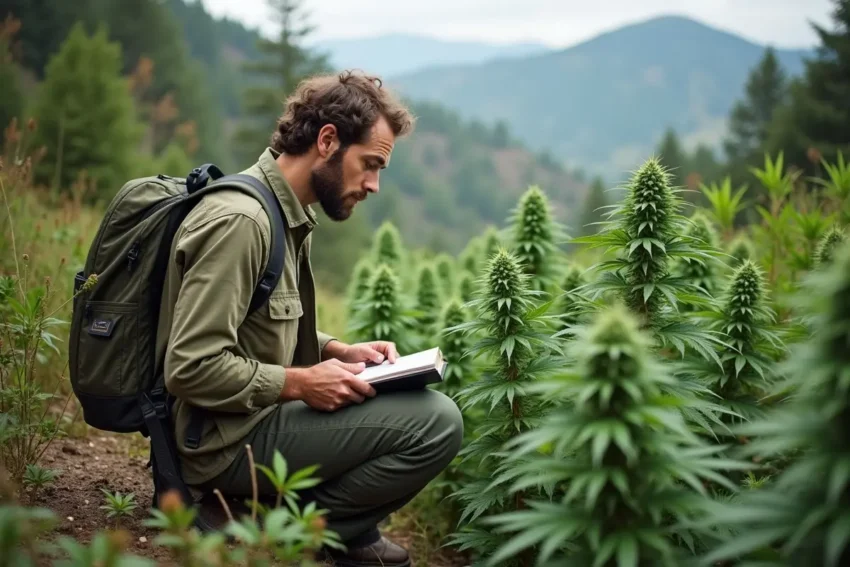
Cannabis is a plant that grows in many different places. Some areas have hot weather, while others are cold. How does cannabis survive in such different climates around the world?
People have studied where it grows naturally for centuries. From mountains to plains, cannabis adapts to many environments. Each habitat has unique soil and weather conditions.
Understanding these habitats helps farmers and scientists. It also teaches us about the plant’s resilience. Keep reading to discover its amazing natural homes.
Cannabis in Mountain Regions
Mountain regions provide cool temperatures and fresh air. Cannabis grows well at high altitudes with bright sunlight. Soil in these areas is often rich in minerals.
Plants here may grow shorter but stronger than lowland varieties. Rainfall is sometimes limited, so cannabis adapts to survive. Wild plants spread seeds naturally across rocky slopes.
Local farmers often learn to grow with the seasons. Mountain habitats show how cannabis can handle tough conditions. These regions teach us about their hardiness and survival.
Cannabis in Tropical Zones
Tropical zones are warm and humid all year. Cannabis grows quickly with plenty of sunlight and rain. Soil is usually fertile, supporting strong plant growth.
Pests may appear, but the plant adapts naturally. Leaves often become large to capture more light efficiently. These regions allow multiple harvests each year.
Local knowledge helps control moisture and soil conditions. High Profile has the outlook for understanding how tropical climates shape cannabis naturally. Studying these zones helps improve cultivation techniques worldwide.
Cannabis in Desert Areas
Desert areas are hot with very little rainfall. Cannabis grows slowly and conserves water efficiently. Plants develop deep roots to reach underground water sources.
Soil is sandy, which drains quickly and prevents rot. Survival here depends on strong resistance to heat stress. Local growers may provide irrigation to help plants thrive.
The plant’s ability to survive shows its adaptability. Desert habitats prove that cannabis can exist even in harsh climates. Nature’s design supports growth in tough, dry conditions.
Cannabis in Plains and Grasslands
Plains and grasslands offer wide, open spaces for cannabis. Soil is fertile and often contains essential nutrients. Rainfall is moderate, and sunlight is plentiful for growth.
Plants can grow tall without much shade competition. Wind helps spread seeds across large areas naturally. Farmers in these regions learn to manage crops efficiently.
Cannabis here adapts to occasional drought or strong wind. These habitats show their ability to thrive in open environments. Growth is balanced between sunlight, soil, and rainfall.
Cannabis in Forested Areas
Forests provide shade and protection from extreme weather. Cannabis grows under tree canopies or at forest edges. Soil is rich in organic material from fallen leaves.
Humidity is often higher, which encourages healthy growth. Plants adapt to limited direct sunlight and competing vegetation. Wild cannabis spreads seeds into small clearings naturally.
Learning from forest habitats can improve garden and farm practices. These areas show cannabis can live with nature’s competition. Forest habitats teach resilience, adaptability, and survival strategies.
Learn the Natural Habitats of Cannabis
Cannabis grows in many different habitats worldwide. Each place has its own soil, sunlight, and water conditions. The plant adapts to survive mountains, forests, deserts, and plains.
Studying these natural habitats helps people understand growth patterns. It also helps farmers grow healthier crops. Nature teaches lessons about strength and flexibility.
Exploring these areas shows the plant’s amazing resilience. Cannabis is more than a crop; it is a survivor. Learning about its homes helps us appreciate nature’s clever designs.
Did you find this article helpful? If so, check out the rest of our site for more informative content.