
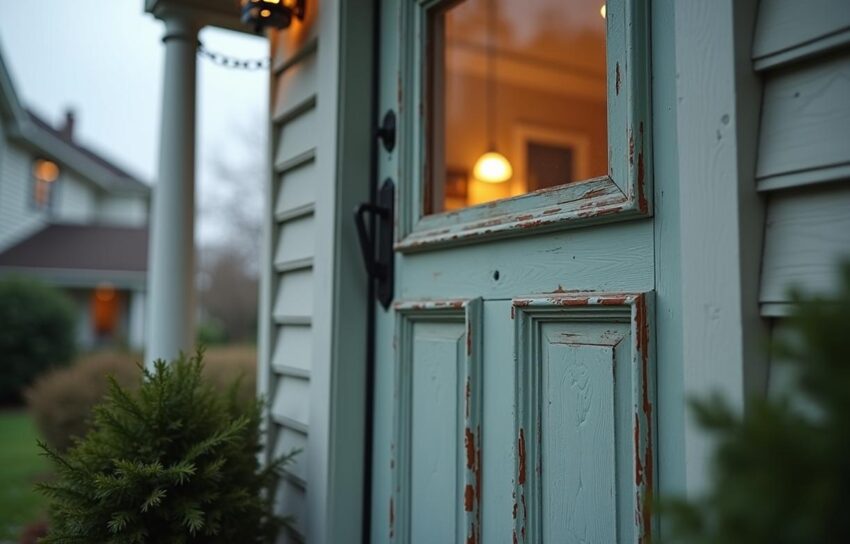
While energy bills steadily increase, your front door might be the unexpected cause. Many homeowners assume the front door is simply a barrier against the elements, but it can be more than that it can be a silent cause of excessive spending. Air leaks, poor insulation, and inadequate materials aren’t always obvious. Yet, over time, these issues can force your heating or cooling system to work harder and leave you with inflated utility bills. It’s not just about energy either; a neglected or outdated front door often means more money shelled out for cosmetic repairs, lock fixes, and other avoidable hiccups.
Your door is the first impression guests get when they step up to your home, and it’s also a vital part of your property’s overall functionality. If the seals are worn, or the materials have aged to the point where they no longer protect your interior, you’ll feel the draft and see the signs in your monthly bills. Sometimes people try adding extra rugs or standing in front of a small space heater rather than dealing with the root cause. While that might create short-lived comfort, it won’t stop the gradual trickle of dollars leaving your pocket.
Hidden Expenses From a Poorly Sealed Door
A door that lacks proper sealing can increase your HVAC usage more than you think. Over time, the small gaps or cracks around the frame act like straws, letting unwanted drafts in and conditioned air out. This constant exchange means you’ll run your air conditioner longer in summer and crank the heat in winter. Many homeowners overlook these leaks until they face a sizable utility bill.
A single bead of caulk or a roll of weather stripping seems cheap at first glance, yet it can translate into big savings throughout the year. Think of those sealing materials as an investment, not a superficial fix. Each small improvement you make to close up gaps can lead to better temperature stability inside and fewer spikes on your gas or electric bills.
Recognizing the Subtle Clues
Invisible drafts might not be noticeable while you’re busy cooking in the kitchen or watching a show in the next room. However, if you walk near the entryway on a chilly morning and feel the cold air nipping at your toes, that’s a warning sign. A good test is to hold your hand near the edges of the door on windy days. Even the faintest hint of breeze means it’s time to shore up those gaps.
If you find yourself layering extra blankets, wearing thick socks inside, or running your furnace a bit more than usual, that too can reveal a leaky door. Pay attention to how often you adjust the thermostat. If it’s more frequent than in previous seasons, there’s likely an issue begging for attention.
How Energy Efficiency Impacts Your Bills
Energy efficiency is a big factor in home improvement. When your front door allows drafts and temperature swings, it causes your heating and cooling systems to work harder. This isn’t just a temporary cost. It becomes a yearly expense that increases as utility rates climb.
An efficient, well-insulated door helps keep your indoor climate steady, so your furnace or air conditioner has fewer cycles. The result is a more comfortable home and potentially lower bills that let you keep more money in your wallet each month. Instead of writing off those small changes in your daily comfort, see them as an alert that your home might be struggling to maintain the right temperature.
The Role of Door Materials
All front doors are not created equal. Solid wood can provide a timeless aesthetic, but it might need regular maintenance to ward off deteriorating weather seals and prevent warping. Steel doors can deliver durability yet sometimes feel cold without proper insulation layers. Fiberglass is popular for energy efficiency, but cheaper fiberglass doors might cut corners on insulation quality.
Your choice of material makes a direct difference in how effectively the door prevents heat transfer. If you live in a colder climate, paying attention to insulation ratings can be crucial. In warmer regions, doors that reflect rather than absorb heat might help keep indoor temperatures in check.
Stopping That Costly Draft With Simple Fixes
Sometimes short-term solutions can have a lasting benefit if done correctly. Adding fresh weather stripping around the perimeter of your door is a great place to start. Make sure to pick a material suited to your climate, and clean the surface before you apply it. This small effort helps form a better seal and reduce the amount of energy wasted through gaps.
A door sweep is another quick remedy. If you notice light peeping in through the bottom of the door, installing or replacing the sweep can prevent air from slipping under. Properly fitted sweeps cling lightly to the threshold, creating a barrier that stops drafts without hindering door movement. Every step you take to tighten up the door’s edges adds up to significant energy savings over time.
When Temporary Measures Aren’t Enough
If you find yourself repeatedly swapping out weather stripping or adjusting the sweep without seeing a difference in your monthly bills, you may have a more substantial problem. A crooked door frame or an older entryway with worn-out materials may call for a more thorough approach.
In such cases, a professional can assess your door’s alignment, the quality of the threshold, and the overall condition of the frame. While it might seem like a hassle to schedule an evaluation, it could lead to improvements that save you big bucks in the long run.
Upgrades That Boost Energy Efficiency
For many homeowners, the thought of replacing the entire front door can be intimidating. Yet, modern doors often come with advanced insulating cores and enhanced seals that block out drafts. These upgrades can pay off by lowering your energy consumption, reducing monthly costs, and enhancing your home’s curb appeal.
Look for Energy Star-rated doors when you’re browsing options, since that certification indicates the product meets particular efficiency guidelines. Doors with foam insulation, multi-pane glass if there’s a window component, and strong, durable outer materials can hold up for years without you needing to worry about constant repairs. This one investment can deliver real peace of mind.
Checking the Frame and Threshold
Don’t forget that an efficient door also depends on the frame and threshold. If your frame is rotting, warped, or incorrectly installed, even the best door will underperform. A careful inspection by a trusted contractor or a well-reviewed handyman can uncover these hidden problems.
Repairs might involve replacing sections of wood, reinforcing the threshold, or adding a sturdier door jamb that fits the new door snugly. Any small gap left unaddressed can become a channel for air leaks. Spending money to fix frame-related issues makes a serious difference in the comfort of your entryway.
Are You Overlooking Maintenance?
Proper door care can keep the finish looking great while also preserving the insulation qualities. Scratches or chipped paint aren’t just cosmetic concerns. Over time, tiny cracks in the surface can let moisture seep in, ruining protective layers. Once the structure degrades, you’re opening yourself up to the same drafts you tried to escape.
Routine upkeep might involve repainting or resealing the door once every few years. Check for any alignment shifts that can occur with seasonal changes. If you spot a problem early, you can correct it before it grows into a larger, more expensive headache.
The Hardware Factor
Loose hinges, a sliding doorknob, or a malfunctioning latch can be subtle indicators that your door isn’t sitting in the frame correctly. If everything doesn’t align, air can filter through those gaps. Adding or replacing screws, tightening the hinges, and realigning the strike plate all help keep your door from sagging or sticking.
These hardware tweaks aren’t complicated, but many homeowners postpone them because the door still seems functional enough to keep intruders out. Overlooking these small tasks could be one reason your door feels cooler than it should when you place your hand against it. By investing a little time in hardware updates, you keep the entire door secure and tightly sealed.
Minimize Repair Costs in the Long Run
When your door operates smoothly, you’ll find that repairs pop up less often. Early intervention is key. If there’s a superficial crack in the paint, fix it before it exposes the interior material. If a seal wears out at the bottom, replace it rather than letting it peel away entirely. These smaller efforts greatly prolong the life of the door.
Sometimes spending a few dollars now can spare you from a much larger charge later. Even if you’re planning a full door replacement next year, patching cracks or sealing the threshold today ensures your home remains as efficient as possible. The goal is to eliminate those hidden costs that gradually chip away at your finances.
Making a Smart Investment
A quality front door plays a bigger role in your budget than you might think. By choosing materials designed to handle demanding climates, upgrading your seals, and making sure the frame is in good condition, you can create a strong shield against unwanted airflow. The benefits add up quickly in the form of more stable indoor temperatures, less stress on your heating and cooling equipment, and a lower risk of structural damage from lingering moisture.
Don’t let this essential part of your home go unnoticed until the problems become too large to ignore. Give yourself the chance to enjoy a cozy space free from drafts, and let your wallet breathe a sigh of relief. After all, a well-maintained door doesn’t just welcome guests in style it saves you money year after year.